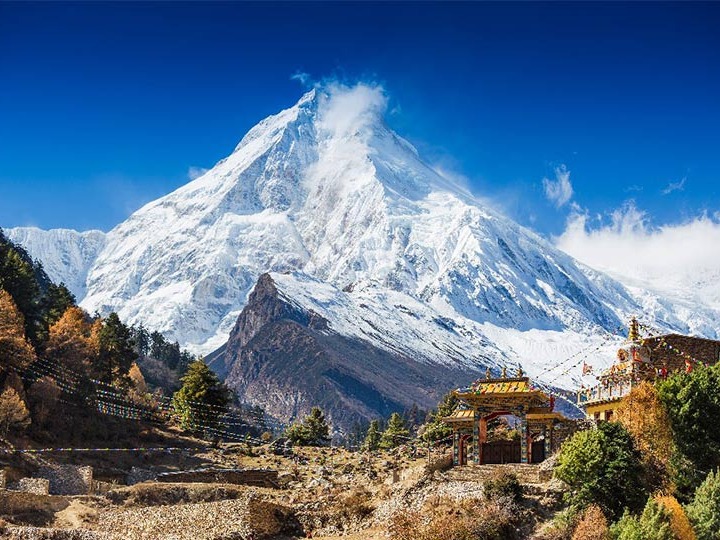
Nestled between the soaring Himalayas and lush lowlands, Nepal is a dream destination for trekkers and mountaineers. But as you start planning your high-altitude adventure, one question naturally arises: Is trekking difficult in Nepal?
The short answer: It depends. Nepal offers treks for all levels- from gentle walks in the foothills to grueling ascents that test your mental and physical limits. The difficulty level of trekking in Nepal is shaped by factors such as trail altitude, duration, terrain, weather, and personal fitness.
This blog will break down everything you need to know about trekking in Nepal, including trail options, challenges, how to prepare, and how to choose the right trek based on your experience and goals. Whether you’re dreaming of Everest or looking for a peaceful hill trek, this guide is your map.
Nepal isn’t just a country, it’s a trekker’s paradise. With over 1,300 Himalayan peaks, including 8 of the world’s 14 highest mountains, it's a playground of dramatic landscapes and ancient trails. But Nepal's charm goes beyond altitude:
But popularity doesn’t mean simplicity. Trekking in Nepal still demands respect for nature, awareness of risk, and thorough preparation.
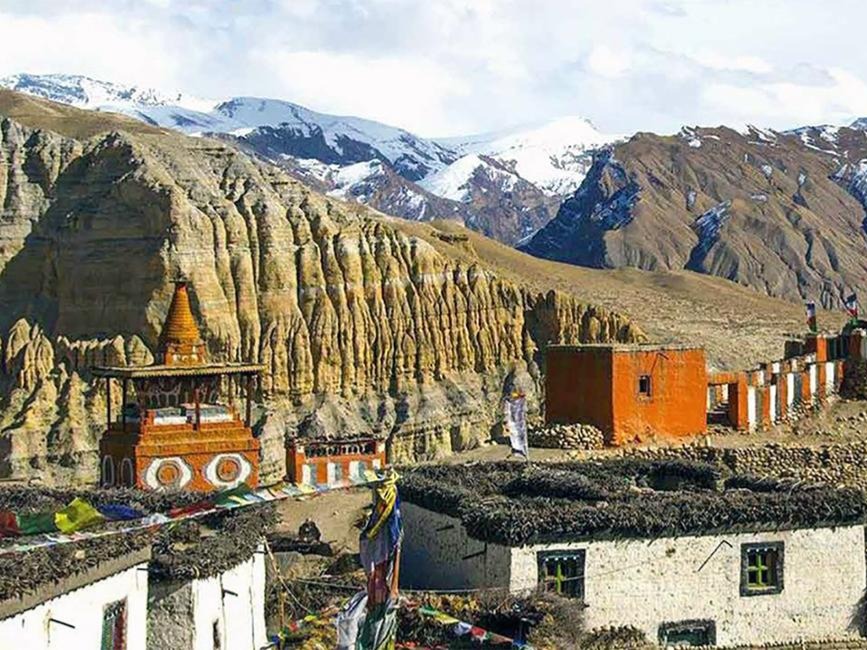
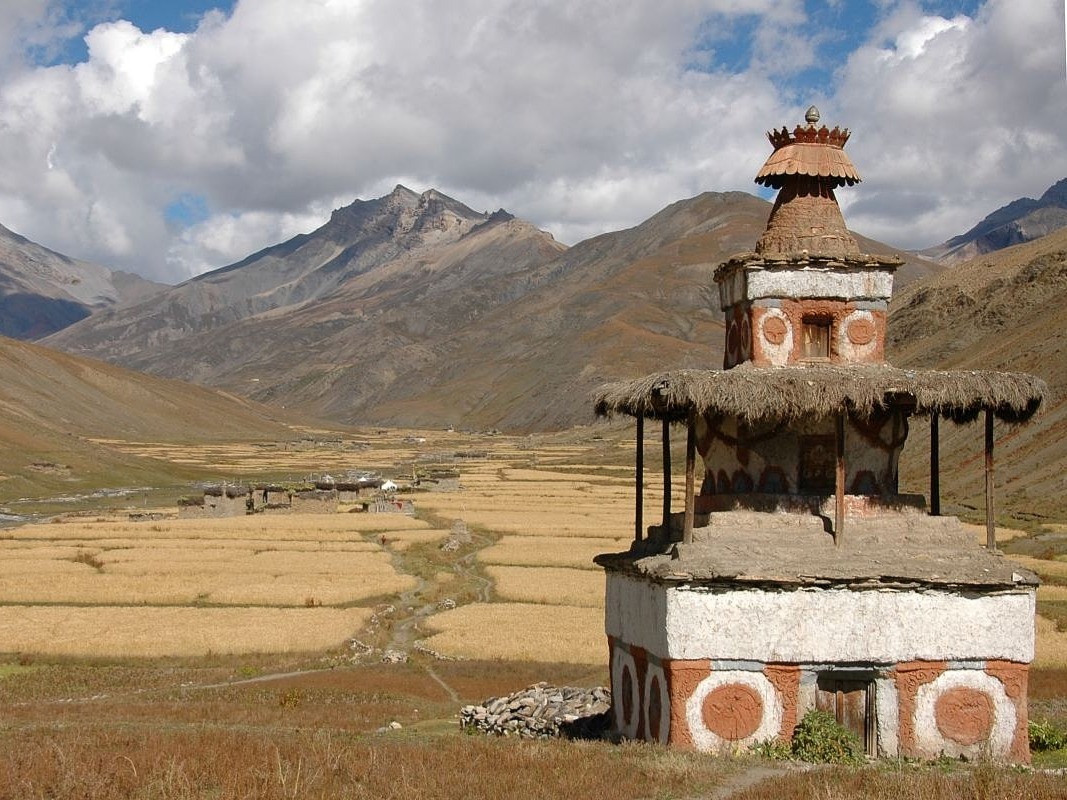
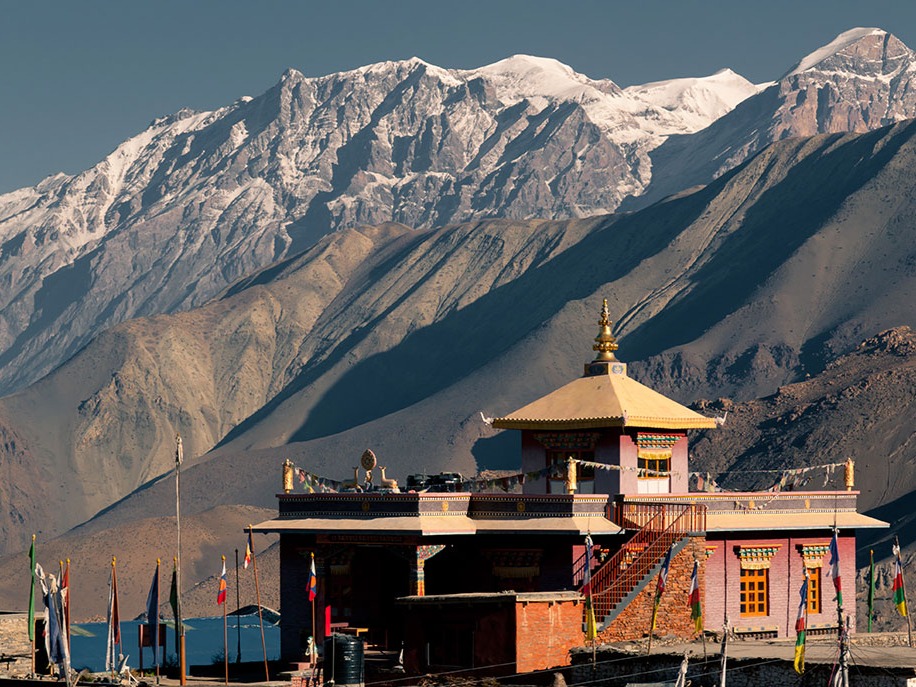
Trekking in Nepal is not just about physical endurance; it’s a journey through culture, spirituality, and breathtaking geography. From the mystical highlands of Mustang to the lush rhododendron forests of Annapurna, every trek offers a unique experience. But let’s face it - Nepal’s terrain is not flat.
Despite these challenges, thousands of trekkers return year after year, drawn to Nepal’s natural beauty and the sense of accomplishment that comes with reaching those high Himalayan passes.
When evaluating how difficult trekking in Nepal is, it helps to consider the following five dimensions:
1. Altitude
Many treks rise above 3,000 meters (9,800 ft), and some even surpass 5,000 meters. As altitude increases, oxygen levels drop, increasing the risk of Acute Mountain Sickness (AMS).
Key takeaway: The higher you go, the harder it gets- both physically and physiologically.
2. Duration
Nepali treks vary from short 3-day hikes to epic 3-week expeditions. Longer treks test endurance, while shorter ones can still be strenuous due to steep ascents and descents.
Example:
3. Terrain & Trail Conditions
Trails can include rocky paths, steep stone staircases, suspension bridges, landslide-prone areas, and snow-covered passes. Some treks are well-marked and maintained, while others are remote and rugged.
Tip: More remote = more rewarding but also more difficult.
4. Weather & Seasons
Trekking during monsoon (June-August) or winter (December-February) significantly increases difficulty due to mudslides, heavy snow, or blocked passes.
Best seasons:
5. Fitness Level
You don’t need to be an athlete, but a basic level of cardiovascular and muscular endurance is essential. Even easier treks involve walking 4–7 hours a day.
Let’s categorize treks by their difficulty level to give you a better sense of what’s suitable:
| Easy Treks in Nepal | Moderate Treks in Nepal | Challenging Treks in Nepal |
|---|---|---|
|
|
|
| These are what many refer to as Challenging Treks in Nepal, combining high passes, remote terrain, long days, and extreme weather conditions. | ||
Here are some of the most physically and mentally demanding treks you can attempt in Nepal:
| Trek Name | Max Altitude | Duration | Region |
|---|---|---|---|
| Everest Three Passes Trek | 5,535 m | 18-21 days | Everest |
| Kanchenjunga Base Camp Trek | 5,143 m | 20-25 days | Eastern Nepal |
| Annapurna Circuit Trek | 5,416 mtr. | 15-20 days | Annapurna Region |
| Upper Dolpo Trek | 5,151 mtr. | 25-30 days | Far West |
| Makalu Base Camp Trek | 5,000+ mtr. | 18-20 days | Eastern Nepal |
| Manaslu Circuit Trek | 5,160 mtr. | 14-17 days | Mid-West |
| Nar Phu Valley Trek (Short) | 5,320 m | 15-18 days | Annapurna Region |
| Rolwaling Valley Trek | 5,755 m | 19-21 days | Eastern Nepal |
| Tsum Valley with Manaslu | 5,160 mtr. | 20-22 days | Gorkha Region |
| Limi Valley Trek | 5,000+ mtr. | 18-21 days | Humla District |
Yes, but precautions are vital. The biggest threats are:
Safety tips for trekking in Nepal:
When selecting a trek, evaluate yours:
Also, work with experienced trekking operators like Gateway Adventure Treks and Expedition who can customize itineraries based on your needs and comfort.
Fitness Training
Start training at least 2-3 months before your trek. Focus on:
Gear Checklist
For a detailed gear list, check out customized gear list provided by Gateway Adventure Treks and Expedition
Timing
Yes and no. It depends entirely on the trek you choose and how you prepare for it. There are gentle trails for first-timers and punishing routes for hard-core adventurers. But every trek in Nepal offers breathtaking beauty and deep cultural insight.
The key is to choose wisely, prepare thoroughly, and trek responsibly. Whether you're chasing Everest or strolling through Gurung villages, Nepal welcomes you with open arms and maybe a few steep climbs.
Ready to Conquer the Trails of Nepal?
Whether you're dreaming of a peaceful cultural trek or looking to take on some of the most challenging treks in Nepal, your journey begins with the right guidance. At Gateway Adventure Treks and Expedition, we specialize in crafting unforgettable trekking experiences tailored to your fitness, interests, and adventure level.










© Copyright Gateway Adventure Treks and Expedition Pvt. Ltd., 2026 All Rights Reserved