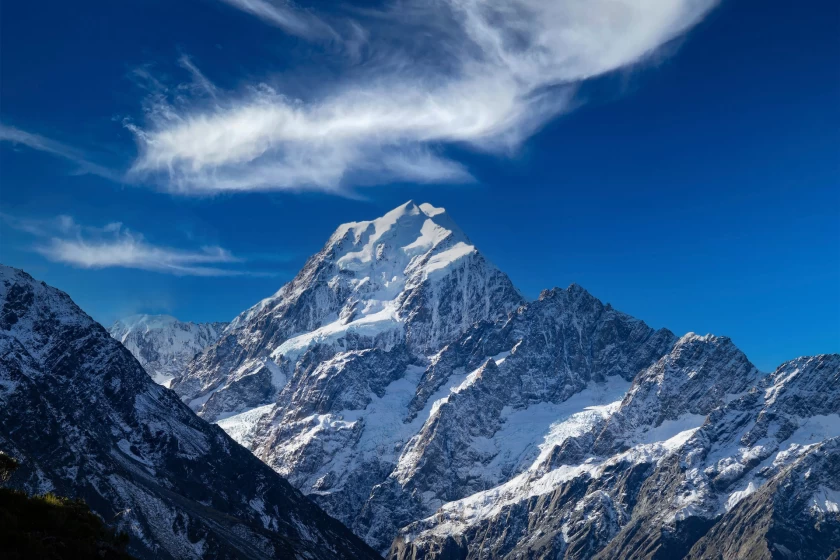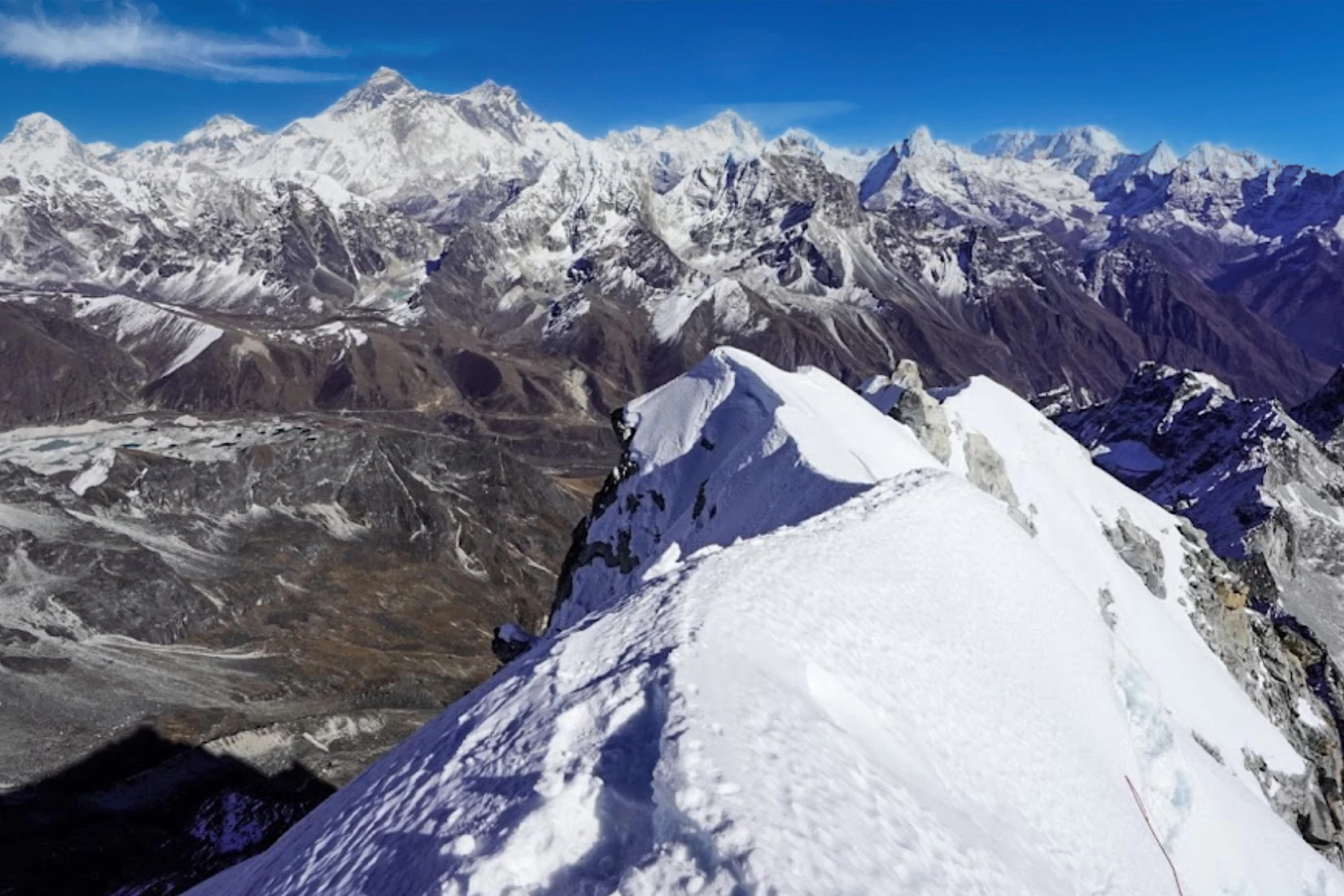
Kyajo Ri is a popular destination for experienced climbers who want to test their skills and experience the beauty of the Himalayan peaks.
 Certified
  Sustainable
  Best Price
  Challenge level
 Destination Destination
|
Nepal |
|---|---|
 Activity Activity
|
Trekking |
 Duration Duration
|
6 Days |
 Meals Meals
|
Included (B,L, D) |
 Accomodation Accomodation
|
Hotel & Lodge |
 Group size Group size
|
2-16 Persons |
 Max Altitude Max Altitude
|
6,186m / 20,296 ft |
 Trip Code Trip Code
|
1016 |
 Transportation Transportation
|
All ground transfers |
 Grade Grade
|
Strenuous |
Located in the Khumbu region of Nepal, Kyajo Ri is a popular destination for experienced climbers who want to test their skills and experience the beauty of the Himalayan peaks. The peak at 6,186 meters above sea level is part of the Gokyo Valley and marks the border between the Solukhumbu and Gokyo regions. The standard route to climb Kyajo Ri starts with a trek from Lukla to Namche Bazaar, passing through picturesque villages and scenic countryside. From Namche Bazaar, climbers continue to the Gokyo Valley, where they set up base camp at an altitude of about 5,000 meters (16,404 ft). The summit usually takes 22 days, with several days of acclimatization and technical climbing along the way.
Climbing Kyajo Ri offers a unique opportunity to experience the breathtaking beauty of the Himalayas with stunning views of some of the world's highest peaks, including Everest, Lhotse, Cho Oyu and Makalu. The rugged landscape and dramatic scenery evoke a deep sense of wonder, making the climb an unforgettable trip.
Climbing Kyajo Ri requires a high level of physical fitness, technical climbing skills and high altitude mountaineering experience. The route to the summit is steep and technical, with sections of exposed rock and ice that require careful navigation and the use of climbing equipment. Climbers must also prepare for rapidly changing weather conditions and extremely cold temperatures at higher altitudes.
Safety remains a primary concern for those who wish to summit Kyajo Ri, given the mountain's challenging terrain and unpredictable weather conditions. Climbers must equip themselves with appropriate equipment, clothing, provisions and a thorough knowledge of climbing skills and safety precautions. Experienced guides and support staff are common practice to increase safety and ensure a successful ascent.
Climbing Kyajo Ri is a unique and fulfilling adventure that allows individuals to explore the remote and stunning landscape of the Himalayas while balancing their physical and mental well-being.
The best time for Kyajo Ri Peak Climbing is during the spring season and autumn season. These two periods usually offer the most stable weather, clearer mountain views, better trail conditions, and safer climbing windows.
Spring is one of the best seasons for Kyajo Ri Peak Climbing. The weather is generally warmer than winter, the days are longer, and the climbing conditions are more favorable. The lower trekking trails become beautiful with blooming rhododendron forests, while the higher alpine sections remain dramatic with snow-covered peaks.
Spring is especially suitable for climbers who want a balanced combination of trekking comfort, mountain visibility, and climbing opportunity. However, the route above high camp may still have snow and ice, so proper climbing equipment and experienced guides are essential.
Autumn is another excellent season for Kyajo Ri Peak Climbing. After the monsoon rain clears the dust and haze, the mountain views become sharp and beautiful. The weather is usually stable, the sky is clearer, and the temperature is comfortable for trekking.
Autumn is often preferred by photographers and trekkers because visibility is usually excellent. The Everest region looks especially beautiful during this season, with clear views of peaks, valleys, monasteries, and Sherpa villages.
Winter climbing is possible only for highly experienced climbers, but it is not the most recommended season. The temperature becomes extremely cold, especially at Base Camp, Camp I, Camp II, and the summit area. Heavy snow, strong wind, icy conditions, and shorter daylight hours can make the climb more difficult.
The monsoon season is not recommended for Kyajo Ri Peak Climbing. Rain, clouds, poor visibility, slippery trails, flight delays, landslides in lower regions, and unstable mountain conditions can create major difficulties. The chance of clear summit views is also lower during this period.
| # | Activity | Overnight | Distance / Time | Meals |
|---|---|---|---|---|
| Day 01 | Arrival in Kathmandu (1400m) | Hotel | ||
| Day 02 | Kathmandu Sightseeing and Climbing Permit Preparation | Hotel/Lodge | Breakfast | |
| Day 03 | Fly from Kathmandu to Lukla, 2,840 m, and Trek to Phakding, 2,652 m | Hotel/Lodge | Breakfast | |
| Day 04 | Trek from Phakding to Namche Bazaar, 3,440 m | Hotel/Lodge | 4 to 5 hours | |
| Day 05 | Acclimatization Day in Namche Bazaar, 3,440 m | Teahouse or lodge in Namche Bazaar | Breakfast + Lunch + Dinner | |
| Day 06 | Trek from Namche Bazaar to Mende, 3,736 m | Tea house/Lodge | 5 to 6 hours | Breakfast + Lunch + Dinner |
| Day 07 | Trek from Mende to Kyajo Ri Base Camp, 4,550 m | Tented camp at Kyajo Ri Base Camp | 5 to 6 hours | |
| Day 08 | Acclimatization and Rest Day at Kyajo Ri Base Camp, 4,550 m | Tented camp at Kyajo Ri Base Camp | Breakfast + Lunch + Dinner | |
| Day 09 | Climb from Kyajo Ri Base Camp to Camp I, 5,200 m | Tented camp at Camp I | 4 to 5 hours | Breakfast + Lunch + Dinner |
| Day 10 | Acclimatization and Rest Day at Camp I, 5,200 m | Tented camp at Camp I | Breakfast + Lunch + Dinner | |
| Day 11 | Climb from Camp I to Camp II, 5,700 m | Tented camp at Camp II | 5 to 6 hours | Breakfast + Lunch + Dinner |
| Day 12 | Summit Kyajo Ri Peak, 6,186 m, and Descend to Camp II, 5,700 m | Tented camp at Camp II | Breakfast + Lunch + Dinner | |
| Day 13 | Descend from Camp II to Kyajo Ri Base Camp, 4,550 m | Tented camp at Kyajo Ri Base Camp | 4 to 5 hours | Breakfast + Lunch + Dinner |
| Day 14 | Trek from Kyajo Ri Base Camp to Namche Bazaar, 3,440 m | Teahouse or lodge in Namche Bazaar | 5 to 6 hours | Breakfast + Lunch + Dinner |
| Day 15 | Trek from Namche Bazaar to Phakding and Lukla, 2,800 m | Teahouse or lodge in Lukla | 5 to 6 hours | Breakfast + Lunch + Dinner |
| Day 16 | Fly from Lukla to Kathmandu, 1,400 m | Hotel in Kathmandu | 30 to 40 minutes | Breakfast |
| Day 17 | Final Departure from Kathmandu | Hotel/Lodge | Breakfast |
-
Upon your arrival at Tribhuvan International Airport in Kathmandu, you will be welcomed by the company representative and transferred to your hotel. After check-in, you can rest from your international journey or take a short walk around Thamel, the main tourist hub of Kathmandu. This is also a good time to check your personal trekking and climbing equipment.
In the evening, there will be a short trip briefing with your guide. The guide will explain the route, daily walking schedule, climbing sections, altitude precautions, packing requirements, and safety procedures for the Kyajo Ri Peak Climbing expedition. A welcome dinner may be arranged in a traditional Nepali restaurant, giving you the first taste of Nepalese hospitality.
Today is reserved for cultural sightseeing and official climbing preparations. After breakfast, your team will process the necessary trekking and climbing permits. You may need your passport, passport-size photographs, and travel insurance details for the permit process. The referenced itinerary includes sightseeing around Kathmandu Valley and permit preparation on this day.
You will visit some of Kathmandu’s important cultural and religious landmarks, such as Pashupatinath Temple, Boudhanath Stupa, Swayambhunath Stupa, and Kathmandu Durbar Square. These sites offer a beautiful introduction to Nepal’s Hindu and Buddhist heritage before entering the mountain region.
Later, you can return to Thamel for final gear shopping. This is the best time to buy or rent missing items such as down jackets, gloves, headlamps, gaiters, climbing socks, thermals, water bottles, and energy snacks.
Early in the morning, you will drive to the domestic airport for a scenic mountain flight to Lukla. The flight itself is one of the most exciting parts of the journey, offering views of green hills, river valleys, and snow-covered Himalayan peaks. After landing at Tenzing-Hillary Airport in Lukla, you will meet the remaining trekking crew and begin your trek.
The trail descends gradually through small Sherpa settlements, mani walls, prayer wheels, and pine forests. You will follow the Dudh Koshi River and walk through villages such as Chheplung and Ghat before reaching Phakding. Since this is the first trekking day, the walk is relatively short and helps your body adjust to the mountain environment.
Overnight: Teahouse or lodge in Phakding
Meals: Breakfast, lunch, dinner
Walking Time: 3 to 4 hours
Route: Kathmandu, Lukla, Phakding
After breakfast, the trail continues along the Dudh Koshi River, crossing several suspension bridges decorated with prayer flags. You will pass small villages, forested trails, and beautiful river valleys before reaching the entrance checkpoint of Sagarmatha National Park.
After completing the permit formalities, the trail becomes more challenging. You will cross the famous high suspension bridge and begin a steady uphill climb toward Namche Bazaar. On a clear day, you may get your first distant view of Mount Everest along with Lhotse and Nuptse. Namche Bazaar is the main trading center of the Khumbu region and is also known as the Sherpa capital. The source itinerary describes this route through the Dudh Koshi valley, Sagarmatha National Park checkpoint, and the long ascent to Namche.
Route: Phakding, Monjo, Jorsalle, Namche Bazaar
This is an important acclimatization day. Since you are already above 3,000 meters, spending an extra night in Namche helps reduce the risk of altitude sickness. Instead of complete rest, you will follow the principle of “climb high, sleep low” by taking a short hike to a higher viewpoint and returning to Namche for the night.
You may hike toward Syangboche, Everest View Hotel, Khunde, or Khumjung. These places offer excellent views of Everest, Lhotse, Ama Dablam, Thamserku, Kongde, and other Himalayan peaks. You can also visit the local museum, Sherpa cultural center, monastery, or market area. This day is also useful for checking your energy level before moving into more remote areas.
Activity: Acclimatization hike and local exploration
Leaving Namche Bazaar, you will follow the trail toward the Bhote Koshi Valley. This route is quieter than the main Everest Base Camp trail, giving the journey a more peaceful and remote feeling. You will walk through traditional Sherpa villages, forested sections, and open mountain landscapes.
The trail offers fine views of Kongde Ri and other surrounding peaks. You may pass the area around Thamo, a beautiful village associated with Sherpa culture and mountain trade routes. From there, the trail climbs toward Mende, a small settlement surrounded by impressive mountain scenery. The referenced itinerary describes this day as a westward trail up the Bhote Koshi Valley, passing rhododendron forest and climbing toward Mende.
Route: Namche Bazaar, Thamo area, Mende
Today the route leaves the regular village trail and enters a more isolated alpine landscape. From Mende, you will follow a narrow yak trail toward Kyajo Drangka, the remote valley below Kyajo Ri. The trail passes through rugged terrain, open ridges, and high pastureland.
As you gain altitude, the scenery becomes more dramatic. Views of Thamserku, Khumbila, Kusum Kanguru, Kongde, Pachermo, and other peaks begin to dominate the skyline. After several hours of steady uphill walking, you will reach a summer yak pasture area where Kyajo Ri Base Camp is established. The base camp lies in a beautiful alpine setting near a stream and rugged mountain slopes.
Once at base camp, the climbing crew will set up tents, organize kitchen facilities, inspect group equipment, and review the climbing plan.
Route: Mende, Kyajo Drangka, Kyajo Ri Base Camp
This day is set aside for acclimatization, rest, and preparation. At nearly 4,550 meters, your body needs time to adjust before climbing higher. You may take a short acclimatization hike around base camp, explore nearby ridges, or simply enjoy the mountain surroundings.
The climbing guide and Sherpa team will check ropes, crampons, harnesses, helmets, ice axes, boots, sleeping arrangements, and other technical gear. They may also review basic climbing techniques, rope movement, safety commands, and procedures for glacier or rocky terrain.
This day is extremely important because the route above base camp becomes more demanding. Proper rest, hydration, and equipment preparation increase the chance of a safe and successful climb.
Activity: Acclimatization hike, gear check, climbing preparation
After breakfast, you will begin the ascent from base camp to Camp I. The route climbs over grassy slopes, rocky sections, boulders, and loose stones. As the altitude increases, the walking pace becomes slower and more deliberate.
The trail is physically demanding, but the mountain views become increasingly beautiful. Camp I is usually established on a suitable flat area near water flowing from the frozen lake or glacier area. From camp, you can enjoy views of Kyajo Ri, surrounding ridges, glacial lakes, and the remote high-altitude landscape. The source itinerary places Camp I at around 5,200 m and describes the route as a steep rocky trail over boulders and grassy spurs.
Route: Base Camp to Camp I
Today is another crucial acclimatization day before moving to Camp II. You will rest at Camp I and may make a short climbing or hiking movement toward a higher point before returning to sleep at Camp I. This helps your body adapt to the thin air and prepares you for the technical section ahead.
Your climbing guide will recheck your physical condition, oxygen saturation, hydration, appetite, and overall energy level. The team will also inspect your climbing equipment again. Depending on conditions, the guide may conduct a short practical session on crampon use, rope handling, fixed-line movement, and safe movement on snow or ice.
This is also a mental preparation day. From here onward, the climb becomes more serious, with greater exposure, colder temperatures, and technical terrain.
Activity: Acclimatization, climbing practice, rest
Today is one of the more technical and demanding days of the expedition. After breakfast, you will climb toward Camp II through rocky terrain, glacier sections, and steeper slopes. The route may require the use of fixed ropes, crampons, helmets, harnesses, and ice axes depending on snow and ice conditions.
The ascent is slow and careful. Climbers must follow the guide’s instructions closely, especially on steeper sections. The source itinerary mentions challenging terrain involving rock, glacier, and slopes up to around 55 degrees, with Camp II established near a large glacier lake at about 5,700 m.
Once at Camp II, the Sherpa team will set up tents and prepare for the summit push. You will rest early, eat a warm meal, organize your summit gear, and prepare for a very early start the next morning.
Route: Camp I to Camp II
This is the most important and challenging day of the entire expedition. You will wake up very early, often around 2:00 to 3:00 AM, depending on weather and route conditions. After a light breakfast and final gear check, the summit climb begins in darkness with headlamps.
The climb involves steep snow, ice, and mixed terrain. You will move carefully with the support of your climbing guide and Sherpa team. The goal is to reach the summit before strong afternoon winds develop. From the summit of Kyajo Ri, the reward is extraordinary panoramic mountain scenery, including Everest, Lhotse, Makalu, Cho Oyu, Ama Dablam, Baruntse, and other Himalayan peaks. The referenced itinerary describes an early summit start and panoramic views from the top before descending by the same route to Camp II.
After spending a short and safe time on the summit for photographs and celebration, you will descend carefully back to Camp II. The descent requires concentration because most climbing accidents happen when people are tired after summit success.
Route: Camp II, Kyajo Ri Summit, Camp II
After the successful summit climb, you will begin descending toward base camp. The route follows the same trail down through Camp I and continues toward Kyajo Ri Base Camp. Although descending is easier than climbing up, it still requires care because the terrain includes loose rocks, glacial sections, and steep slopes.
As the altitude decreases, breathing becomes easier and the temperature becomes more comfortable. Upon arrival at base camp, you can rest, enjoy warm food, and celebrate the completion of the climbing phase. This is also a good day to dry gear, organize equipment, and recover from the summit effort.
Route: Camp II, Camp I, Base Camp
Before leaving base camp, the team will clean the campsite and pack all equipment carefully. Responsible mountain travel is important, so the area should be left as clean as possible. The trail descends from the alpine zone back toward lower vegetation and Sherpa settlements.
You will pass through Mende and continue toward the Namche area. As you descend, the landscape gradually changes from rugged high-altitude terrain to rhododendron, pine, and subalpine forest. Returning to Namche Bazaar feels comfortable after several nights in tented camps. You can enjoy a hot meal, warmer accommodation, and the lively atmosphere of the Khumbu’s main trading town.
Route: Base Camp, Mende, Namche Bazaar
Today is the final trekking day of the journey. From Namche Bazaar, the trail descends steeply toward the Dudh Koshi River. You will cross suspension bridges, pass through Jorsalle and Monjo, and exit the Sagarmatha National Park area.
The route continues through familiar villages, prayer wheels, mani walls, and forested trails. After reaching Phakding, you will continue toward Lukla with a final uphill section before arriving at the town. In Lukla, you can celebrate the completion of the Kyajo Ri Peak Climbing expedition with your guide, porters, and climbing crew.
Route: Namche Bazaar, Phakding, Lukla
After breakfast, you will take an early morning flight from Lukla to Kathmandu. The flight offers one last view of the Himalayan landscape before returning to the city. Upon arrival in Kathmandu, you will be transferred to your hotel.
The rest of the day is free for rest, souvenir shopping, massage, laundry, or exploring the streets of Thamel. In the evening, a farewell dinner may be arranged to celebrate the successful completion of the climb.
Route: Lukla to Kathmandu
Your Kyajo Ri Peak Climbing journey ends today. Depending on your international flight schedule, you may have free time for final shopping or a short walk around Kathmandu. A representative will transfer you to Tribhuvan International Airport for your onward flight.
You leave Nepal with the memory of a rare Himalayan climbing experience, quiet Khumbu valleys, Sherpa hospitality, high alpine camps, and the achievement of standing on one of the less-crowded trekking peaks of the Everest region.
Activity: Airport transfer and departure
Food availability on Kyajo Ri Peak Climbing changes depending on the location. In the lower trekking areas such as Lukla, Phakding, Namche Bazaar, and Mende, meals are usually served in teahouses or lodges. In the higher climbing areas such as Kyajo Ri Base Camp, Camp I, and Camp II, meals are prepared by the expedition kitchen team.
During the teahouse section, trekkers can usually find common meals such as dal bhat, noodles, fried rice, pasta, soup, potatoes, Tibetan bread, eggs, porridge, pancakes, tea, coffee, and hot lemon. Dal bhat is one of the best meals for trekking because it provides rice, lentil soup, vegetables, pickles, and enough energy for long walking days.
At the camping section, food becomes more basic but still nutritious. The climbing crew usually prepares warm meals such as soup, rice, noodles, pasta, potatoes, porridge, tea, coffee, and high-energy snacks. Since the body uses more energy at high altitude, climbers should eat regularly even when appetite decreases.
Recommended food items to carry personally include energy bars, dry fruits, chocolate, electrolyte powder, glucose, nuts, instant soup packets, and personal snacks. Warm drinks are very helpful at high altitude because they support hydration and comfort in cold conditions.
A good Kyajo Ri climbing meal plan should focus on:
| Meal Type | Common Options |
|---|---|
| Breakfast | Porridge, eggs, bread, pancakes, tea, coffee |
| Lunch | Dal bhat, noodles, fried rice, potatoes, soup |
| Dinner | Soup, rice, pasta, dal bhat, noodles, vegetables |
| High Camp Food | Light soup, energy snacks, tea, easy-to-digest meals |
| Summit Day Snacks | Chocolate, energy bars, dry fruits, electrolyte drinks |
Accommodation during Kyajo Ri Peak Climbing is a combination of hotel, teahouse, lodge, and tented camp. The type of accommodation depends on the altitude and remoteness of the route.
In Kathmandu, climbers usually stay in a comfortable hotel with private rooms, attached bathrooms, Wi-Fi, hot shower, and breakfast. This gives enough time to rest, prepare equipment, attend the trip briefing, and complete permit arrangements.
During the trekking section from Lukla to Namche Bazaar and Mende, accommodation is generally in local teahouses or mountain lodges. These lodges are simple but comfortable. Rooms usually have twin beds, blankets, shared bathrooms, and a dining hall with a stove. Facilities become more basic as the route moves away from the main Everest Base Camp trail.
Above Mende, the route becomes more remote. At Kyajo Ri Base Camp, Camp I, and Camp II, climbers stay in tented camps. The expedition team usually provides sleeping tents, dining tent, kitchen tent, toilet tent, and cooking support. The camping section is more challenging but also more adventurous because it gives a real Himalayan expedition experience.
| Location | Accommodation Type |
|---|---|
| Kathmandu | Hotel |
| Lukla, Phakding, Namche Bazaar | Teahouse or lodge |
| Mende | Basic lodge or teahouse |
| Kyajo Ri Base Camp | Tented camp |
| Kyajo Ri Camp I | Tented camp |
| Kyajo Ri Camp II | High-altitude tented camp |
Climbers should bring a high-quality sleeping bag suitable for cold temperatures because nights at Base Camp and high camps can be extremely cold.
Kyajo Ri Peak Climbing is considered a strenuous and technical climbing trip. It is more challenging than a normal trekking journey and is suitable for physically fit trekkers with previous high-altitude trekking experience and basic mountaineering skills.
The route includes long trekking days, steep ascents, remote camping, rocky terrain, snow slopes, ice sections, and high-altitude climbing. The Nepal Himal Peak Profile notes that the section from Camp II to the summit includes steep snow and ice, with multiple pitches requiring belaying and sections that may reach steep gradients below the summit.
The difficulty comes from five major factors:
| Difficulty Factor | Explanation |
|---|---|
| High altitude | The summit area is above 6,000 meters |
| Remote route | Base Camp and high camps are isolated |
| Technical climbing | Snow, ice, rope work, crampons, and ice axe may be required |
| Cold weather | High camps can be extremely cold, especially at night |
| Physical demand | Long walking days and summit push require strong endurance |
Climbers should be comfortable walking 5 to 7 hours per day during the trekking section and longer during summit day. They should also be prepared for basic mountaineering activities such as walking with crampons, using a harness, clipping into fixed ropes, moving on snow and ice, and following guide instructions carefully.
Kyajo Ri is not recommended for first-time trekkers with no high-altitude experience. It is better suited for climbers who have already completed treks such as Everest Base Camp, Gokyo Lakes, Annapurna Circuit, Manaslu Circuit, or similar high-altitude routes.
Travel insurance is essential for Kyajo Ri Peak Climbing because the trip involves high altitude, remote terrain, domestic flights, camping, and technical climbing. A normal travel insurance policy may not be enough. Climbers must choose a policy that clearly covers high-altitude trekking and peak climbing up to at least 6,186 meters.
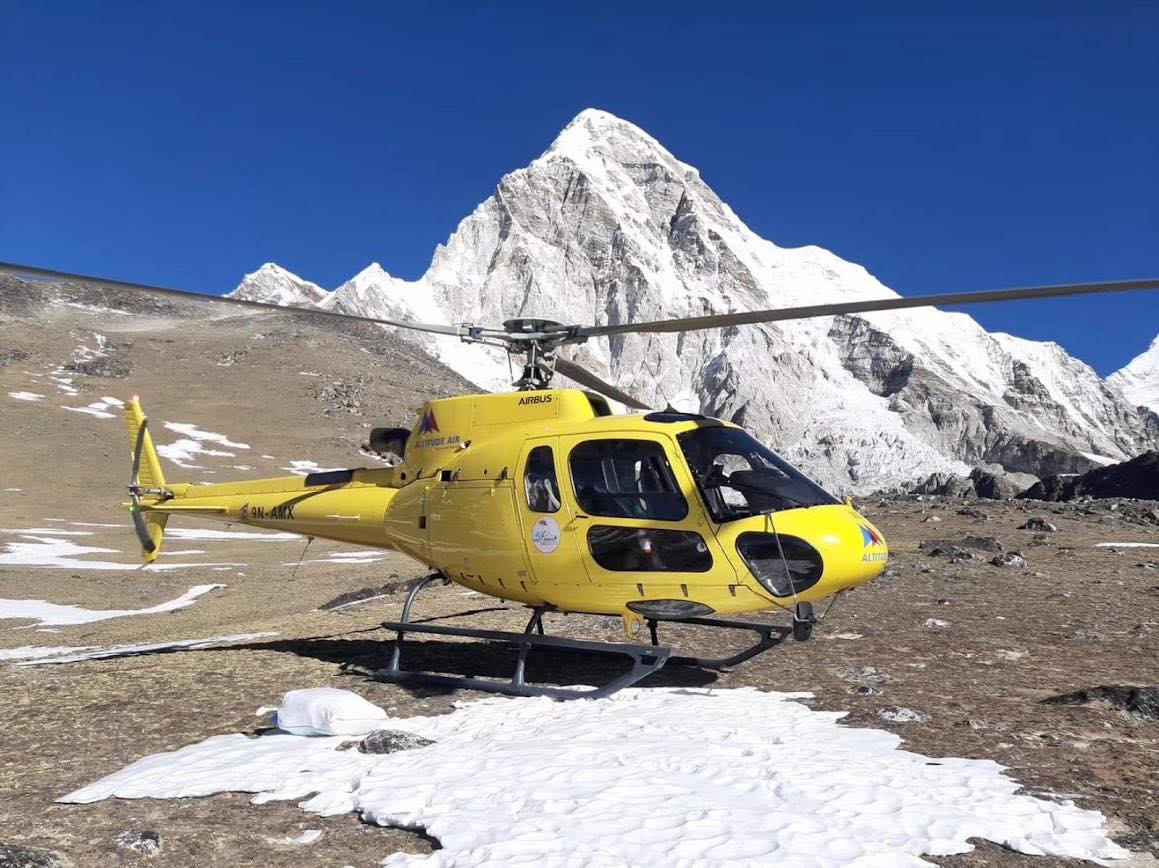
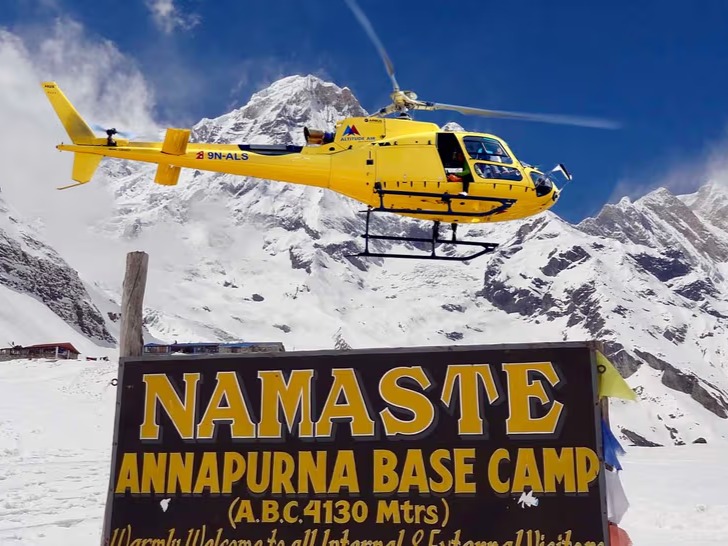
The insurance should include emergency medical treatment, helicopter evacuation, trip cancellation, trip interruption, baggage loss, flight delay, and rescue expenses. Helicopter evacuation is especially important in the Everest region because road access is not available in most parts of the trail, and emergency descent from high altitude may require air rescue.
Your travel insurance should cover:
| Coverage Type | Why It Is Needed |
|---|---|
| High-altitude trekking | The route goes above normal trekking altitude |
| Peak climbing | Kyajo Ri involves technical climbing sections |
| Helicopter evacuation | Emergency rescue may be needed from remote areas |
| Medical treatment | For altitude sickness, injury, infection, or accidents |
| Trip cancellation | Protects against unexpected cancellation |
| Flight delay | Lukla flights may be affected by weather |
| Lost or damaged baggage | Useful for expensive climbing and camera gear |
Before purchasing insurance, climbers should confirm in writing that the policy covers trekking and climbing above 6,000 meters in Nepal. They should also carry both printed and digital copies of the insurance document, emergency contact number, policy number, and passport details.
To book the Kyajo Ri Peak Climbing, simply contact Gateway Adventure Treks and Expedition via our website or customer service for availability and detailed information. A 10% deposit is required at the time of booking to secure your spot, with the remaining balance due before the tour starts. Payments can be made through secure methods such as bank transfer, credit card, or online platforms. For cancellations or changes, Gateway Adventure Treks and Expedition provides clear guidelines, with partial refunds available depending on the timing. Be sure to review the booking terms and conditions to ensure a smooth process.
Though we recommend booking in advance to secure your spot on the tour, Gateway Adventure Treks and Expeditions accepts the last- minute bookings. For these bookings, full payment (100% of the tour price) is required at least 24 hours prior to departure. Please note that while we strive to offer flexibility, we cannot be responsible for any delays or unforeseen issues such as weather conditions or unavailable accommodations.
For last- minute bookings or inquiries, contact us at +977- 9851360663 or email us at info@gatewaytreks.com
Experience local culture
Best Price Guaranteed
Well-crafted itinerary
Free Sightseeing & Hotel
gatewaytreks@gmail.com






© Copyright Gateway Adventure Treks and Expedition Pvt. Ltd., 2026 All Rights Reserved

![Everest Base Camp Trek [Classic Route]](https://gatewaytreks.com/public/uploads/frontend/main/1758246008_everest-base-camp-trek-in-autumn.webp "Everest Base Camp Trek [Classic Route]")