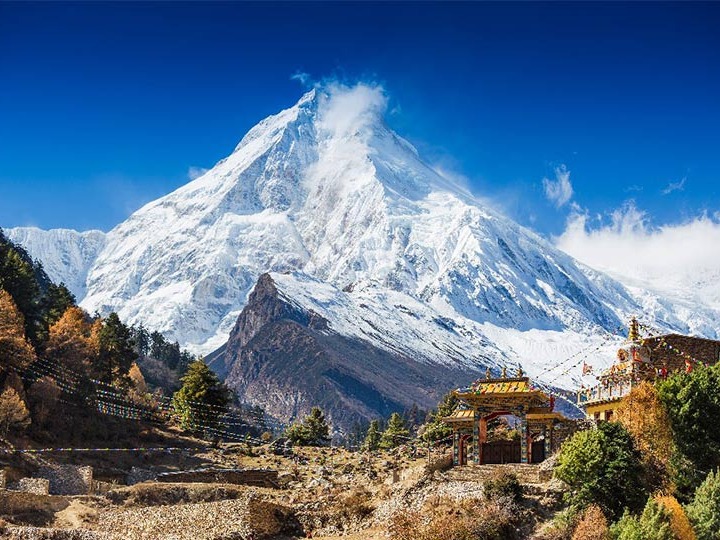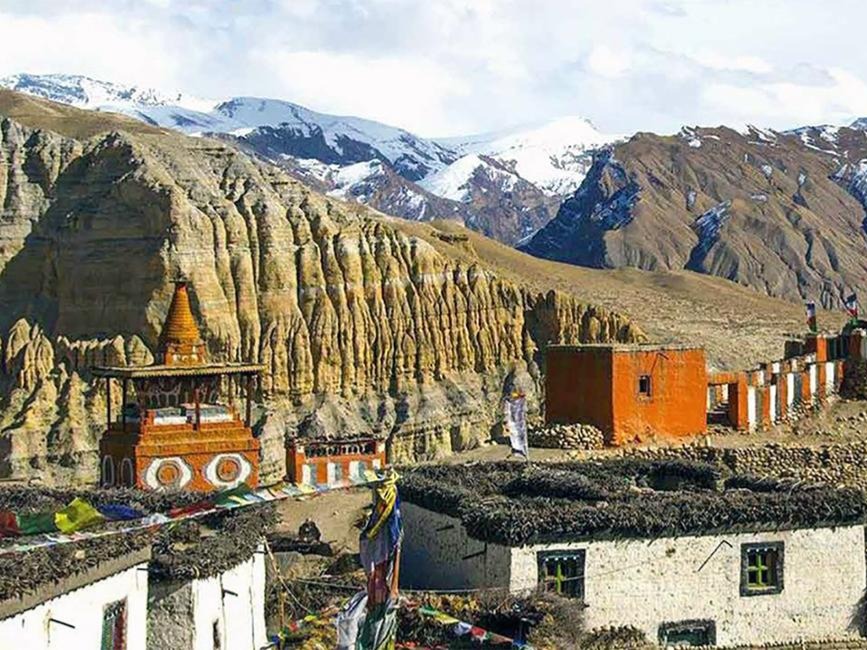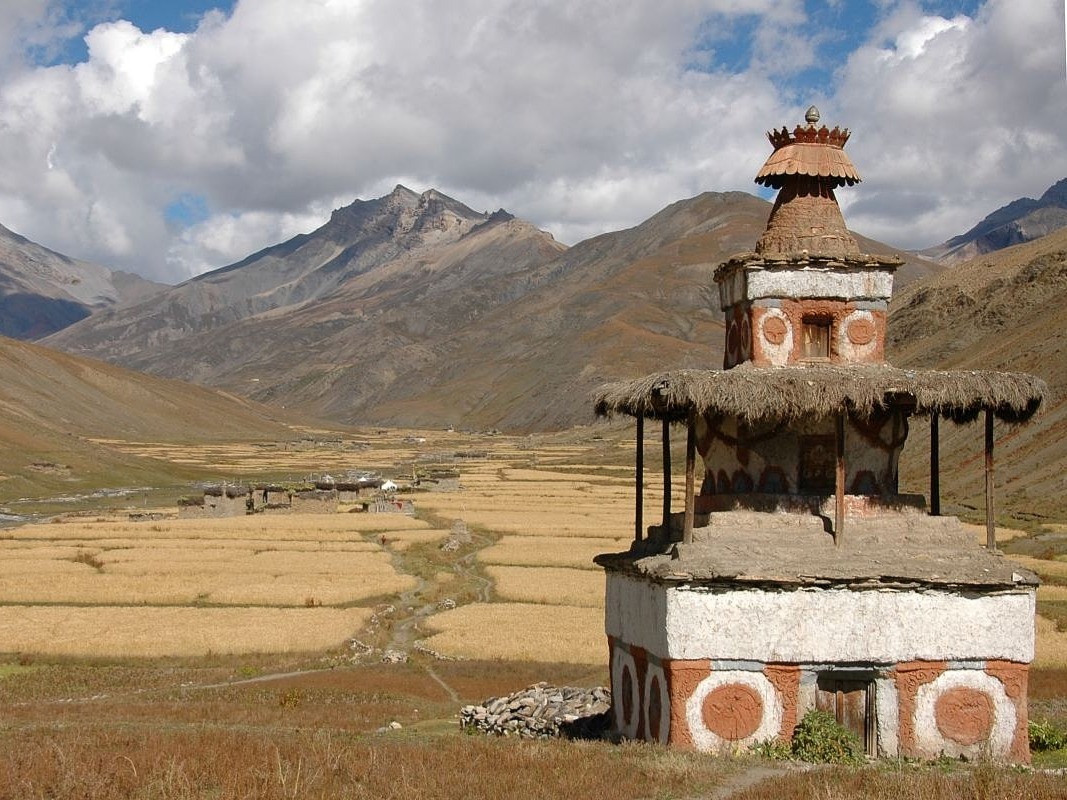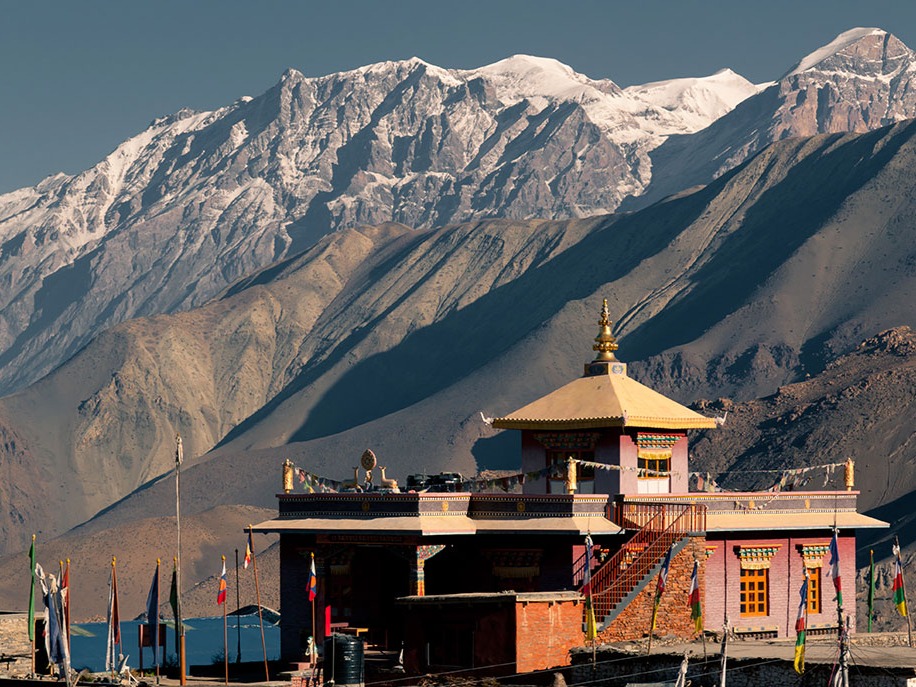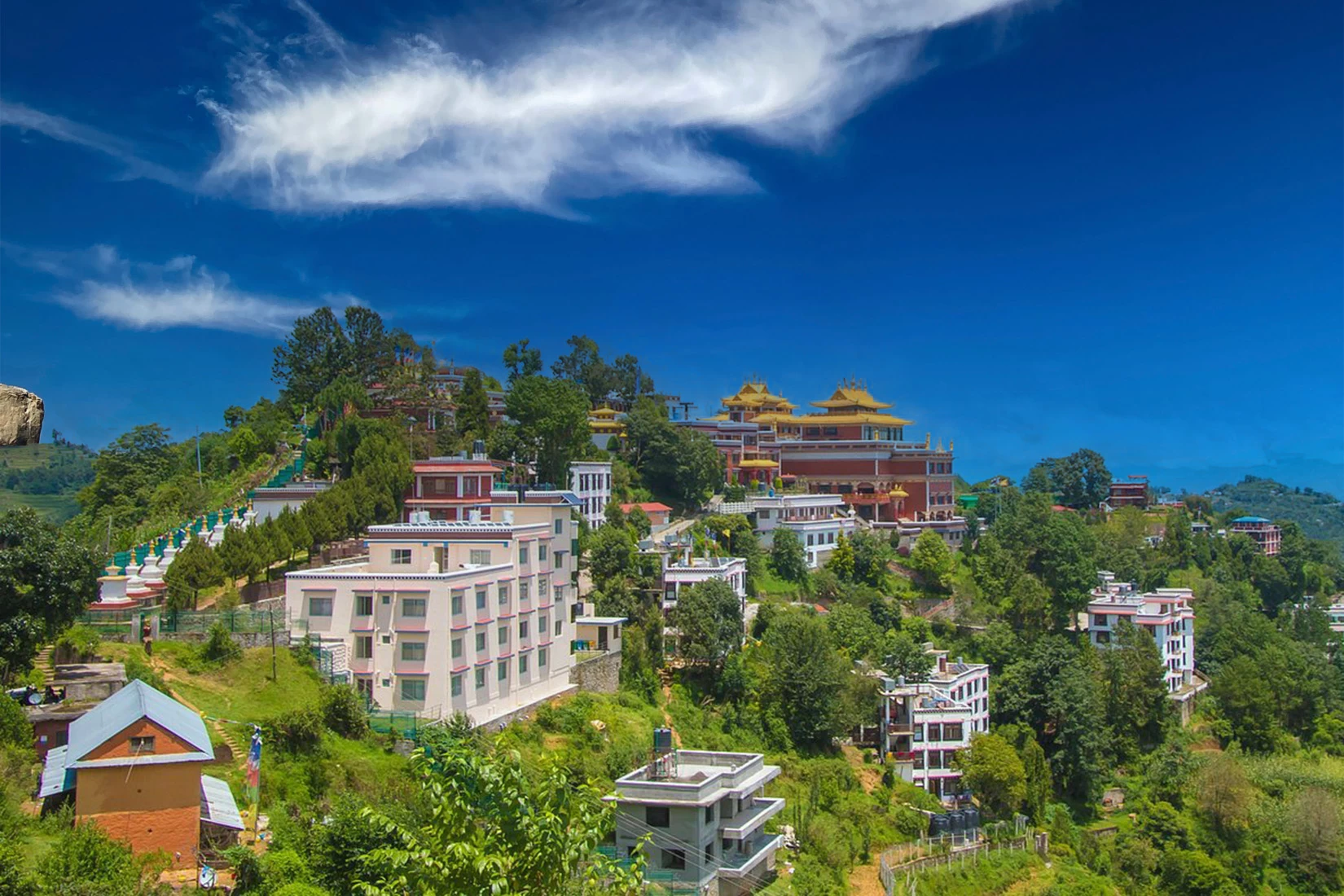
The 7-day Buddhist Circuit Tour in Nepal offers a profound spiritual and cultural journey, connecting sacred sites intrinsically linked to the origins and spread of Buddhism.
 Certified
  Sustainable
  Best Price
  Challenge level
 Destination Destination
|
Nepal |
|---|---|
 Activity Activity
|
Tours |
 Duration Duration
|
7 Days |
 Meals Meals
|
Included (B,L, D) | Nepali and contineental |
 Accomodation Accomodation
|
Hotel accommodation in Kathmandu and tea-houses | Plodge during the trek |
 Group size Group size
|
2-16 Persons |
 Best Season Best Season
|
Best For All Seasion |
 Max Altitude Max Altitude
|
1750 m (Namobuddha) |
 Trip Code Trip Code
|
1012 |
 Transportation Transportation
|
Free pickup & drop | Private Vehicle | Domestic Flights. |
 Grade Grade
|
Strenuous |
The 7-day Buddhist Circuit Tour in Nepal offers a profound spiritual and cultural journey, connecting sacred sites intrinsically linked to the origins and spread of Buddhism.
The Buddhist Circuit tour in Nepal is more than a pilgrimage; it is a journey of self-discovery and cultural exploration. The serene ambiance of these sacred sites fosters introspection and spiritual growth. The vibrant rituals, prayers, and architecture narrate devotion and timeless wisdom stories.
Nepal’s Buddhist Circuit tour offers a unique spiritual and cultural experience, combining historical authenticity with the meditative beauty of its natural landscapes. From the hallowed grounds of Lumbini to the relic-filled stupas of Ramagrama, each destination connects to Lord Buddha’s life and teachings. Embarking on this tour deepens one’s understanding of Buddhism and leaves a lasting impression of peace and enlightenment, making Nepal an irreplaceable part of the global Buddhist pilgrimage trail.
The Buddhist Circuit Tour in Nepal is not merely a travel itinerary; it is a profound spiritual expedition that traces the very origins of a global philosophy. Over seven days, this meticulously crafted journey leads pilgrims and seekers from the vibrant spiritual hubs of the Kathmandu Valley to the tranquil, hallowed grounds of Lumbini, the precise birthplace of Siddhartha Gautama, who would become Lord Buddha. This tour serves as an irreplaceable cornerstone of the global Buddhist pilgrimage trail, offering a unique blend of historical authenticity, deeply felt spirituality, and Nepal’s majestic natural beauty. It is an invitation to step away from the mundane and engage in a journey of self-discovery and enlightenment, narrated by ancient stupas, serene monasteries, and the enduring wisdom of the Buddhist faith.
The importance of the Nepal Buddhist Circuit stems from its unparalleled connection to the life of Lord Buddha. While the broader Buddhist circuit encompasses sites across India, Nepal holds the singular distinction of being the land where the Buddha was born. This fact alone imbues the Nepali leg of the circuit with an unmatched spiritual gravity.
The best season for the Buddhist Circuit Tour in Nepal is during autumn (September to November) and spring (March to May).
Autumn: Clear skies, moderate temperatures, and low chances of rain make it ideal for exploring the sites comfortably.
Spring: Pleasant weather with blooming flowers and vibrant landscapes, providing a beautiful and peaceful atmosphere.
These seasons offer the best conditions for sightseeing, spiritual experiences, and comfortable travel throughout the Buddhist Circuit.
Note: The tour can be done in all seasons.
Lumbini is the undeniable anchor of the Buddhist Circuit. Located in the Terai plains of Nepal, its atmosphere is one of profound peace and sanctity.
Perched atop a conical hill overlooking the entire Kathmandu Valley, Swayambhunath is one of the oldest and most recognizable holy sites in Nepal, revered by both Buddhists and Hindus.
Boudhanath is a colossal mandala and the most important center of Tibetan Buddhism outside of Tibet.
These sites offer a crucial opportunity to transition from historical sightseeing to contemporary spiritual practice.
Kathmandu | Namobuddha | Lumbini | K athmandu
To book the Buddhist Monastery Tour, simply contact Gateway Adventure Treks and Expedition via our website or customer service for availability and detailed information. A 10% deposit is required at the time of booking to secure your spot, with the remaining balance due before the tour starts. Payments can be made through secure methods such as bank transfer, credit card, or online platforms. For cancellations or changes, Gateway Adventure Treks and Expedition provides clear guidelines, with partial refunds available depending on the timing. Be sure to review the booking terms and conditions to ensure a smooth process.
Though we recommend booking in advance to secure your spot on the tour, Gateway Adventure Treks and Expeditions accepts the last- minute bookings. For these bookings, full payment (100% of the tour price) is required at least 24 hours prior to departure. Please note that while we strive to offer flexibility, we cannot be responsible for any delays or unforeseen issues such as weather conditions or unavailable accommodations.
For last- minute bookings or inquiries, contact us at +977- 9851360663 or email us at info@gatewaytreks.com
Experience local culture
Best Price Guaranteed
Well-crafted itinerary
Free Sightseeing & Hotel
gatewaytreks@gmail.com







© Copyright Gateway Adventure Treks and Expedition Pvt. Ltd., 2026 All Rights Reserved