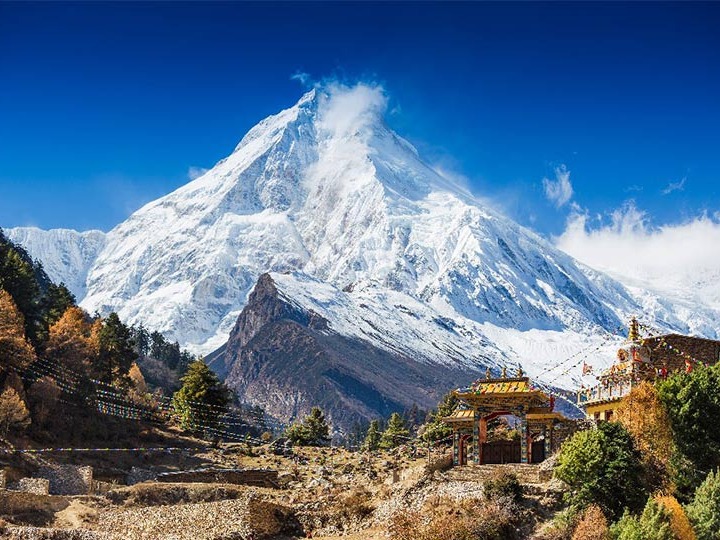
The Tengboche Monastery Trek is a short and scenic Everest region trek designed for travelers who want to experience the beauty of the Khumbu without going all the way to Everest Base Camp. This 10-day journey offers breathtaking views of Everest, Ama Dablam, Lhotse, Nuptse, Thamserku, traditional Sherpa villages, rhododendron forests, and the spiritual atmosphere of Tengboche Monastery.
The reference route follows the classic Everest trail through Lukla, Phakding, Namche Bazaar, Khumjung, and Tengboche, with the highest point at around 3,860 m / 12,665 ft. The trek is generally graded moderate and is suitable for active beginners and regular walkers.
The Tengboche Monastery Trek is one of the finest short treks in the Everest region of Nepal. It is perfect for travelers who want panoramic mountain views, Sherpa culture, Buddhist heritage, and a real Himalayan trekking experience within limited time.
Your journey begins in Kathmandu before taking a scenic flight to Lukla, the gateway to the Everest region. From Lukla, the trail follows the Dudh Koshi River through beautiful villages, suspension bridges, pine forests, and the protected landscapes of Sagarmatha National Park. Sagarmatha National Park is a UNESCO World Heritage Site known for dramatic mountains, glaciers, deep valleys, rare wildlife, and Sherpa culture.
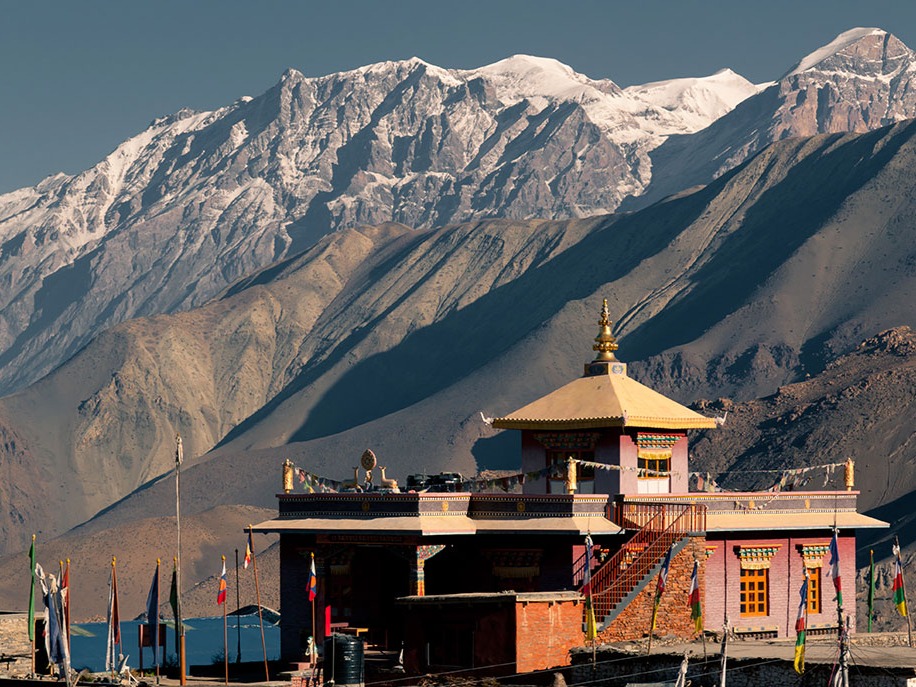
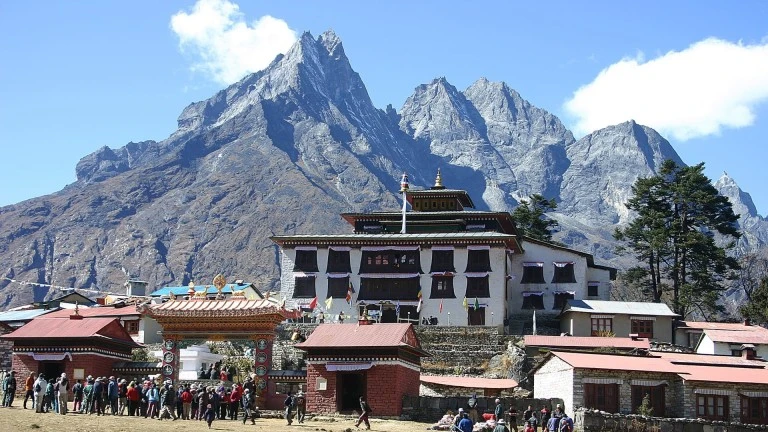
The trek gradually leads to Namche Bazaar, the famous Sherpa trading town and cultural heart of the Khumbu. After an acclimatization hike toward Everest View Hotel and Khumjung village, the route continues to Tengboche. Tengboche is home to one of Nepal’s most famous monasteries, known for its spiritual importance and stunning Ama Dablam backdrop.
The Tengboche Monastery Trek is a beautiful alternative to the longer Everest Base Camp Trek. It gives travelers the feeling of walking on the legendary Everest trail while keeping the journey shorter, safer, and more comfortable.
This trek is especially suitable for people who want:
- Everest views without trekking to Base Camp
- A shorter Himalayan holiday
- A moderate trek with cultural depth
- A monastery and Sherpa culture experience
- Less risk of extreme altitude compared with higher Everest routes
- A scenic family-friendly Everest region trek
- A photography-focused mountain journey
The highest overnight point is Tengboche at around 3,860 m, making it a rewarding yet more manageable Everest region trek.
At Tengboche, trekkers are rewarded with peaceful monastery surroundings and outstanding mountain views, including Everest, Ama Dablam, Lhotse, Nuptse, and Thamserku. The trek then returns through Namche and Lukla before flying back to Kathmandu.
This package is ideal for families, first-time trekkers, cultural travelers, photographers, senior travelers with good fitness, and anyone looking for a shorter Everest experience.
Best Time for Tengboche Monastery Trek
The best seasons for the Tengboche Monastery Trek are spring and autumn.
Spring, March to May: Spring offers warmer days, blooming rhododendron forests, colorful hillsides, and clear mountain views. It is one of the best times for photography and comfortable trekking.
Autumn, September to December: Autumn is the most popular trekking season in Nepal. The weather is usually stable, the skies are clearer, and the mountain views are excellent. October and November are especially attractive because the Mani Rimdu festival is often celebrated at Tengboche Monastery according to the Tibetan lunar calendar.
Winter, December to February: Winter trekking is possible, but temperatures can be very cold, especially at night. The advantage is fewer trekkers and clear mountain views.
Monsoon, June to August: Monsoon season brings rainfall, cloudy skies, slippery trails, and possible flight delays. This season is less recommended.
Accommodation and Meals during Tengboche Monastery Trek
In Kathmandu, accommodation is provided in a comfortable hotel with breakfast. During the trek, accommodation is in local teahouses or lodges run by Sherpa families.
Teahouses usually provide twin-sharing rooms with basic bedding. Bathrooms may be shared. Hot showers, Wi-Fi, and charging are available in many places but usually cost extra.
During trekking days, meals include breakfast, lunch, and dinner. Common meals include dal bhat, noodles, fried rice, soups, pasta, potatoes, momos, pancakes, porridge, eggs, tea, coffee, and seasonal items.

 Certified
  Sustainable
  Best Price
  Challenge level
  Destination
 Activity
 Duration
 Meals
Meals
 Accomodation
 Group size
 Max Altitude
 Trip Code
 Transportation
 Grade
Grade