Everest Three Passes Trek (Renjo La, Cho La and Kongma La Passes)
 Certified
  Sustainable
  Best Price
  Challenge level
 Destination Destination
|
Nepal |
|---|---|
 Activity Activity
|
Trekking |
 Duration Duration
|
19 Days |
 Meals Meals
|
Included (B,L, D) |
 Accomodation Accomodation
|
Hotel/Lodge/Tea House during the trek |
 Group size Group size
|
2-16 Persons |
 Best Season Best Season
|
Mar-May / Sep-Dec (Spring/ Autumn) |
 Max Altitude Max Altitude
|
Kala Patthar (5,555m)/ 18,192ft |
 Trip Code Trip Code
|
EV3P19 |
|
Activity Per Day
|
5-7 hrs walk per day |
 Transportation Transportation
|
Private Vehicle & Flight |
 Grade Grade
|
Strenuous |
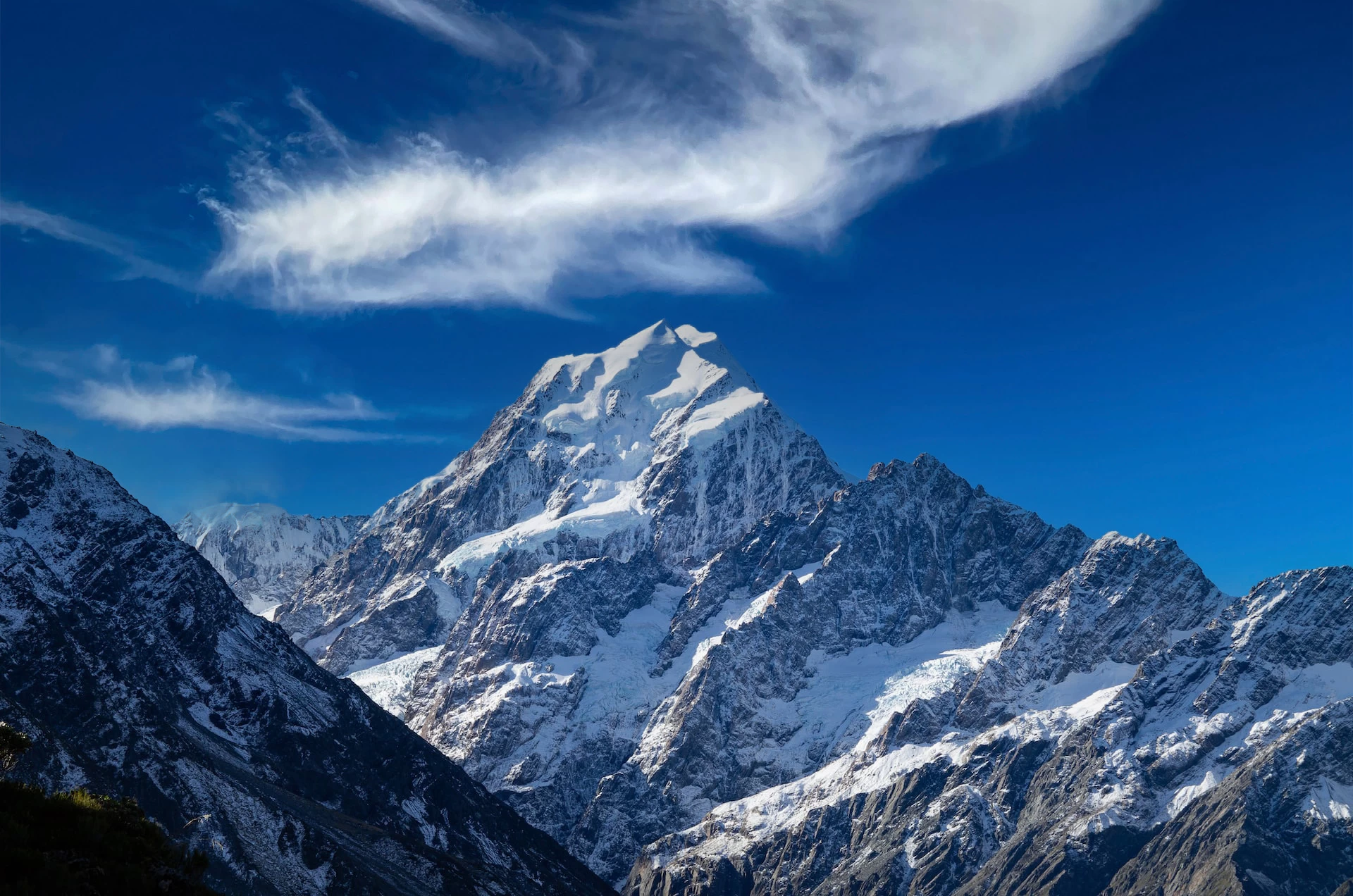
The Everest Three Passes Trek is the most complete trekking journey in the Khumbu. Instead of following the standard out-and-back Everest Base Camp trail, this route links the region’s three classic high passes, the turquoise Gokyo Lakes, Everest Base Camp, Kala Patthar, and traditional Sherpa settlements into one unforgettable Himalayan circuit.
This trek is designed for strong trekkers who want more than a checklist experience. It is longer, higher, and more demanding than the classic Everest Base Camp trek, but the reward is far greater: broader mountain panoramas, more varied landscapes, quieter sections of trail, and a deeper sense of crossing the Everest region rather than simply visiting it.
The Everest Three Passes Trek is the grand circuit of the Khumbu. It combines everything trekkers love about the Everest region, dramatic high-altitude passes, glacier scenery, Buddhist culture, famous viewpoints, remote valleys, and the achievement of standing at Everest Base Camp.
The journey begins with a flight to Lukla and follows the Dudh Koshi Valley to Namche Bazaar, the cultural and commercial heart of the Khumbu. After acclimatizing, the route climbs deeper into the mountains through Tengboche and Dingboche before entering the high alpine world of Chhukung and Kongma La. From there, the trek links Lobuche, Everest Base Camp, and Kala Patthar before continuing over Cho La to Gokyo and then across Renjo La into the Bhote Koshi side of the valley. The final days return through Thame, Namche, and Lukla.
What makes this trek special is the variety. You do not just see Everest, you experience the full geography of the region: forested lower valleys, yak pastures, glacial moraines, frozen pass crossings, sacred monasteries, and vast Himalayan viewpoints.
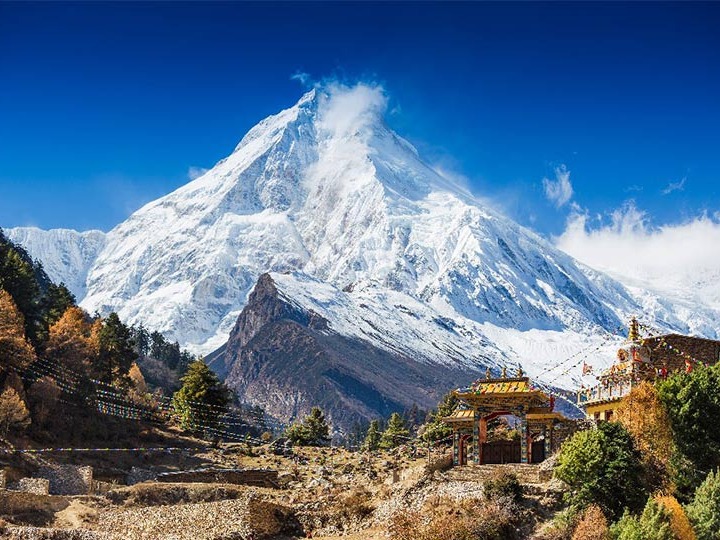
Everest three High Passes Trek will take you to the less traveled way to the Everest Base Camp where you will have a magnificent view of the mountains such as Mount Everest, Mount Lhotse, Mount Ama Dablam, Mount Nuptse, Mount Thamserku and many more.
Three Passes Trek is one of the most challenging treks in the Everest region. If you are one of those who like to experience more thrilling and adventurous trek, Everest 3 High Pass Trekking is best for you.
Everest 3 High passes trek is a truly lifetime Adventure journey to Himalaya, this Adventure trip take you 7 Superb destination over 5 thousand meter Namely, Renjo la Pass (5388 m), Cho La Pass (5380 m) and Kongma La pass(5535 m) With climbing of the three peaks Gokyo Ri (5483 m), Kalapathar (5545m) and Chukung Ri (5550 m) ,
It is a trek with unparalleled alpine beauty and without doubt the grandest mountain scenery on the world. The highlights of the trek include the Sherpa village of Khumjung, the pristine Gokyo lake, the breathtaking scenery from the all these passes and the visit to Everest base camp. Unlike other treks in Everest region, this trek makes a loop, hence no tracing back of the route. The good thing about this 3 pass trek is despite having to cross three passes, you do not require any technical climbing and any person with good fitness and previous trekking experience can complete the trek successfully.
The best seasons for the Everest Three Passes Trek are spring (March to May) and autumn (late September to November). These periods usually offer the most stable weather, clearer mountain views, and better trail conditions. Autumn is known for crisp skies and long-range visibility, while spring brings milder temperatures and more color in the lower elevations. The trek can be done outside these windows, but winter snow and monsoon conditions can make the high passes more difficult and less predictable.
Autumn (September, October, November)
Autumn is the festive season for trekkers from all around the world for trekking In Nepal. The weather conditions in the month of September, October, and November are mostly suitable for trekking the Everest 3 High Pass.
Autumn is one of the peak seasons in Nepal for trekking. The temperature during this season is neither too hot nor too cold which fits for trekking. If you wish to trek the Everest 3 High Pass Trek in Autumn, you can also celebrate some of the major festivals in Nepal that falls during Autumn.
Spring (March, April, May)
Spring is one of the best times of the year where beautiful flowers bloom and new leaves start to grow. The whole environment becomes green which gives you fresh air and pleases your eyes.
During spring, Nepal looks ever more beautiful in nature. You will have clearer scenic mountain views during the season of Spring. The temperature and weather condition of the Everest Region is also favorable.
You may expect some light rainfall in late May. But, don’t worry, the view you get to explore in the next morning is splendid.
Everest 3 High Passes Trekking is a challenging trek as you have to climb to a higher altitude and pass some of the difficult passes such as Renjo La Pass, Cho La Pass, and Kongma La Pass. These passes are one of the most challenging and physically demanding parts of the Everest trekking.
As you will trek to a higher altitude, you might have some difficulty in breathing. The amount of oxygen becomes thinner as you move to a higher altitude. Because of this, you may also face Acute Altitude Sickness.
The difficulty level of the trek increases if you trek during the monsoon season. During the monsoon season there are heavy rainfalls making the route muddy and slippery. You must be careful with your steps. Therefore, it is best to avoid trekking in Monsoon if you are a beginner. If you are an experienced trekker, then you are sure to enjoy every hurdle in any seasons.
Similarly, during winter, the Everest region is precisely enclosed with snow. This will cause difficulty in walking and passing the trails.
The price of the Everest Three Passes Trek depends on group size, season, hotel standard in Kathmandu, guide-to-client ratio, and whether porter service, gear support, and flight contingencies are included.
The cost of the Everest 3 High Pass Trek is higher than that of Everest Base Camp and other treks like the Manaslu Circuit and Annapurna Base Camp due to the difficulty of crossing high passes.
Our Everest Three High Pass Trek Package costs start from $1500 and go up to $1950 and above. Pricing is influenced by several factors, including group size and travel season. Please take a look below for our group price offers.
| 1 People | $1700 /- |
| 2 People Group | $1650 Per person |
| 3 People Group | $1640 Per person |
| 5 - 8 People Group | $1600 Per Person |
| 9 -12 People Group | $1575 Per person |
Please contact us for a custom quote for private departures, luxury hotel upgrades, or helicopter contingency options.
For this route, you need to get a Sagarmatha National Park Permit and a Khumbu Pasang Lhamu Rural Municipality permit. And sometimes, TIMS, because permit practices in Nepal can change, and official guidance can differ by route and implementation.
Lukla Flights
Lukla flights are weather-sensitive and can be delayed or rerouted during busy seasons.
This trek is ideal for:
But, this trek might not be suitable for
| # | Activity | Overnight | Max. Altitute | Distance / Time | Meals |
|---|---|---|---|---|---|
| Day 01 | Arrival in Kathmandu (1,400m/4,593ft) - Transfer to Hotel and Trek Preparation | Hotel in Kathmandu | 1400 m | ||
| Day 02 | Flight to Lukla (2850m) and Trek to Phakding (2,610m) | Hotel and Teahouse | 2850 m | 35 min flight / 3-4 hours Trek | B, L, D |
| Day 03 | Trek from Phakding (2610m) to Namche Bazaar (3,440m/11,285ft) | Hotel at Namche | 3440 m | 10.4km / 5-6 hours | B, L, D |
| Day 04 | Rest day and Acclimatization at Namche Bazaar (3,880 m) | Hotel at Namche | 3-4 hours | B, L, D | |
| Day 05 | Trek from Namche Bazaar to Thame (3,800m/12,467ft) - 3 to 4 hours trek | Hotel/Lodge | 6.8 km / 3-4 hours | B, L, D | |
| Day 06 | Trek from Thame to Lungden (4,380m/14,370ft) - 4 to 5 hours trek | Hotel/Lodge | 5.8 km / 4-5 hours | B, L, D | |
| Day 07 | Acclimatization Day in Lungden | All meals (B,L,D) during the trek | |||
| Day 08 | Trek from Lungden to Gokyo Valley (4,790m/15,715ft) via Renjo La Pass (5,360m/17,585ft) | Hotel/Lodge | B, L, D | ||
| Day 09 | Hike to Gokyo Ri (5,360m/17,585ft) (3 to 4 hours trek) or Excursion of Five Lakes | Hotel/Lodge | B, L, D | ||
| Day 10 | Trek from Gokyo to Thagnag (4,680m/15,354ft) - 3 to 4 hours trek | Hotel/Lodge | B, L, D | ||
| Day 11 | Trek from Thagnag to Dzongla (4,830m/15,879ft) via Cho La Pass (5,420m/17,782ft) | Hotel/Lodge | B,, L, D | ||
| Day 12 | Trek from Dzongla to Lobuche (4,910m/16,109ft) - 3 to 4 hours trek | Hotel/Lodge | B, L, D | ||
| Day 13 | Trek from Lobuche to Gorak Shep (5,140m/16,864ft) and hike to Everest Base Camp (5,364m/17,598ft) | Hotel/Lodge | B, L, D | ||
| Day 14 | Hike to Kala Patthar (5,550m/18,209ft) and Trek to Lobuche (4,910m/16,109ft) | Hotel/Lodge | B, L, D | ||
| Day 15 | Trek from Lobuche to Chukkung (4,730m/15,518ft) via Kongma La Pass (5,535m/18,159ft) | Hotel/Lodge | B, L, D | ||
| Day 16 | Hike to Chukkung Ri (5,550m/18,209ft) and Trek from Chukkung to Dingboche (4,410m/14,469ft) - 3 to 4 hours trek | Hotel/Lodge | B, L, D | ||
| Day 17 | Trek from Dingboche to Namche (3,440m/11,286ft) | Hotel/Lodge | B, L, D | ||
| Day 18 | Trek from Namche to Lukla (2,840m/9,318ft) | Hotel/Lodge | B, L, D | ||
| Day 19 | Fly from Lukla to Kathmandu (1,400m/4,593ft) - 35-minute flight | Hotel | B, L, D | ||
| Day 20 | Depart from Kathmandu | Hotel/Lodge |
Kathmandu → Lukla → Phakding → Namche Bazaar → Tengboche → Dingboche → Chhukung → Kongma La Pass → Lobuche → EBC → Gorakshep → Kala Patthar → Dzongla → Cho La Pass → Thagnak → Gokyo → Gokyo Ri → Renjo La Pass → Marlung → Thame → Namche → Lukla
When you arrive at Kathmandu International Airport, the trekking guide from Gateway Adventure Treks and Expedition will get you and transfer you to the hotel.
The rest of the time, you can explore the nearby places and prepare for the next day's trip. In the evening, you'll attend a small team meeting where your guide will provide all the necessary details about the trek. Also, make sure to check all the gears and properly pack your backpack before going to sleep.
Overnight stay in Kathmandu.
The trek begins with a short, scenic flight to Lukla and a short hike to Phakding. Once you land at Tenzing-Hillary Airport, Lukla, you can meet other crew members and make final preparations. After that, the adventure begins with a short descent towards the Dudh Koshi River. Since your body needs time to get used to the thin air, moving slowly is crucial.
From here, you'll join the main trail of Namche Bazaar; just above that, you'll come across Chaurikharka village. Today's walk is relatively short and easy. Passing through Ghat village at (2,550m/8,366ft), you reach Phakding.
Overnight stay in Phakding.
Please note: During the peak trekking seasons (September-November and March-May), most flights to Lukla depart from Ramechhap.
You can continue your trek through Sherpa communities like Bengkar, Monjo, and Jorsale, and towards Namche Bazaar, a bustling Sherpa capital. As you cross the Dudh Koshi River at Bengkar, you will get to see vistas of snow-capped mountains, including Kusum Kanguru, Thamserku, and other summits. Crossing the majestic Dudh Koshi River over several suspension bridges and crossing pine forests, you'll get to Monjo Village. From here, you'll enter Sagarmatha National Park. After completing the short formalities of checking trekking permits, the trail drops steeply to the long suspension bridge. In clear weather, you'll catch the first sight of Mt. Everest peering over the Lhotse-Nuptse ridge.
You'll gradually descend towards the suspension bridge over the Bhote Koshi River. After a short walk, you reach Jorsalle village. Further, crossing the long Hillary Bridge and gradually climbing uphill, you'll reach Namche Bazaar. It is the main trading town with many shops, restaurants, bakery-cafes, banks, ATMs, and Government offices.
Overnight stay in Namche Bazaar.
Since the Three Passes Trek is one of the most challenging treks in the Himalayan region, the journey requires several acclimatization stops along the way. Thus, you'll spend a day acclimatizing by hiking to nearby famous vantage points to enjoy the fascinating views of Mt. Everest, Ama Dablam, Nuptse, and other surrounding peaks.
Famous places for side trips include the Everest View Hotel, the Syangboche Airport, Khumjung, and Kunde Village. You can enjoy the stunning sunrise or sunset view over the Khumbu peaks from the Everest View Hotel. In Khumjung village, you can visit the oldest monastery and see the Yeti Skull on display.
Similarly, there are several different amenities, including ATMs, Internet cafes, restaurants, and bakeries. You may quickly go to a viewpoint in the vicinity, such as Thame or Khunde, and then take a tour of the neighborhood, including the Tourist Visitor Center, where you can learn about Everest climbers, Sherpa people, and their traditions. You can also visit the old Kunde hospital.
Besides, you can also explore Namche Bazaar and visit the Sherpa Culture Museum. Here you can learn about the history of mountaineering and Sherpa culture.
Overnight stay in Namche Bazaar.
Leaving the main trail of Everest Base Camp, you'll head towards Thame village, following the Gokyo Lake trail . Today's walk is relatively peaceful as you'll encounter very few trekkers. Also, this trail was the main trading route with Tibet. En route, you'll notice water streams, cascading waterfalls, traditional Sherpa villages, and beautiful mountain views.
Today's walk is easy, mostly on flat land. Passing through the rhododendron and pine forest area and walking along the bank of the Bhote Koshi River, you reach Thamu village. The next stop on your Everest High Passes Clockwise Trek is Thamo and Thamo Gompa. From here, the trail descends sharply to the Khumbu Hydroelectric Plant before ending in Thame, at the mouth of the Khumbu Valley. Cross the river over a small suspension bridge and arrive at Thame village.
Peaks such as Teng Kangpoche and Kwangde may be viewed in breathtaking detail from Thame. Additionally, Nangpa La Pass, which leads to Tibet, is visible towards the north.
It is home to many famous Sherpa mountaineers, including Tenzing Norgay and Appa Sherpa, who scaled the summit 21 times. You can explore the village and visit the Thame Gompa, which offers a fantastic view of the valley.
Overnight stay in Thame village.
Your clockwise Everest high passes trek starts today from Thame. You'll begin your walk on a relatively easy trail lead towards Taranga. En route, you will walk on barren land and see the beautiful stone houses of the picturesque villages of Thambuteng and Hungmo. After a few hours of walking, you reach Marulung village, located on the east bank of the Bhote Koshi River. Later, you continue your walk across a narrow valley surrounded by boulders. Lastly, after a steep ascent through stunning scenery to Kongde Peak, you reach Lungden.
Overnight stay in Lungden.
Today, we will be spending another day in Lungden, which is crucial for successfully crossing Renjo La. After breakfast, we will hike to a higher altitude to acclimatize. Upon returning to the hotel, we will rest and prepare for the long, challenging hike scheduled for the next day.
Overnight in Lungden.
The trial continues to Gokyo Valley. This day will be one of the most challenging and adventurous parts of your trek as you'll be crossing Renjo La Pass, the first of three high passes of the Everest region. During the first half of the walk, the trail is a little steep and continues towards sandy terrain. Continuous strenuous uphill climb on the stone staircase, you reach the summit of Renjo La Pass.
Even though the trail is challenging, it is quite rewarding as it takes you through the most stunning landscape you'll ever see. At the top of the pass, you see the fluttering, colorful prayer flags. Relish the jaw-dropping vistas of the entire Rolwaling range along with Mt. Everest and Makalu. Also, you'll get an outstanding view of the entire Gokyo Valley.
After spending a pleasant time at the top, you head down towards the Gokyo Valley. Walking on a rugged mountain trail, you reach the bank of Gokyo Lake, where the valley sits. Gokyo Valley is one of the high-altitude settlements in the world.
Overnight stay in Gokyo Valley.
Today you'll make an early morning hike up to Gokyo Ri, from where you'll get the close-up views of Mt. Everest, Lhotse, Makalu, Cho Oyu, and other surrounding snow-clad peaks. Acclimatization is essential during the high-altitude trek. So, this climb offers stunning mountain vistas and serves as acclimatization for the long day ahead of crossing the Cho La Pass. After spending an amazing time at Gokyo Ri, you'll descend to Gokyo Valley.
Likewise, you can also opt for hiking up to the fourth and fifth Gokyo Lakes and the surrounding villages. A few hours of the hike will take you to the fourth lake, also known as Thonak Tsho, at 4,840m/15,880ft, and the fifth lake, known as Ngozumpa Tsho, at 4,956m/16,260ft. From here, you get a close sight of Ngozumpa Glacier, the longest glacier in Nepal. In addition, you can also enjoy the panoramic view of some of the highest peaks of the Khumbu region.
Overnight stay in Gokyo Valley.
After a beautiful acclimatization day in Gokyo Valley, you hike to Thagnag (also called Dragnag). You have to start the trek early in the morning, as you'll be following the trail that crosses the Ngozumpa glacier. The ice begins to melt during the daytime, making the trail slippery, so you need to cross the glacier as early as you can. After crossing the glacier, continue your walk until you reach a small settlement of Thagnag.
A long and challenging day awaits you today! You'll cross the second pass of the Everest Three Passes Trek. Start the trek early. From Thagnag, take an uphill climb towards Cho La Pass. Be a little cautious while traveling this section, as the trail to the summit of the pass remains slippery most of the time.
Once you reach the pass, you will forget all your challenging climb. You'll soak in the magnificent scenery of Cho La Glacier with majestic Ama Dablam and Cholatse snow-capped peaks. After having a remarkable moment at the top, you head downhill. The trail is quite slippery due to the icy path and glaciers. On the way, you'll see many prayer flags. After descending through the vertical section of the glacier, eventually, you reach Dzongla.
Overnight stay in Dzongla.
After a pleasant night at Dzongla, you'll begin your trek with an easy downhill walk to Lobuche. Along the way, you'll enjoy the panoramic sight of Mt. Cholatse and Taboche straight above. Continue your walk towards Lobuche Kharka. Eventually, following the trails of Imja Khola Valley, you reach Lobuche. It is a popular stopover for trekkers heading to Everest Base Camp. Once you get to the beautiful settlement of Lobuche, you'll see the captivating view of Khumbu Glacier, the highest glacier in the region.
Today, you'll make your way to Everest Base Camp. The trail to the base of the world's highest peak has always been a fascinating adventure for every hardcore trekker. Leaving behind Lobuche, you'll walk through rough terrain and encounter a few ups and downs through the glacial path.
Furthermore, the trail continues to Gorak Shep, where you'll catch an enticing sight of Mt. Pumori, Nuptse, and other massif peaks. Once you reach Gorak Shep, you'll take a rest for a while and head towards your dream destination, Everest Base Camp. After crossing several tiny streams and glacial moraine, you finally make your way to base camp.
From the base camp, you'll witness a close-up view of Khumbu Icefall along with Mt. Pumori, Nuptse, and Khubutse. You'll spend some quality time here by taking pictures and enjoying the view. Later, you descend back to Gorak Shep through the same trail.
Overnight stay in Gorak Shep.
Another fabulous day of your trek as you'll hike to Kala Patthar, the highest point of the trekking expedition. Begin your trek early, before sunrise, through the steep rocky terrain. As you make your way to the viewpoint, you'll notice several color flags hung along the trail. Undoubtedly, you'll hold your breath for several points during your ascent to Kala Patthar for getting utterly beautiful scenery. It is also one of the famous vantage points for the close-up panoramic view of Mt. Everest.
From Kala Patthar, you'll witness a glorious sunrise view of Mt. Everest and the surrounding peaks. Get immersed in the extremely impressive surroundings of several mountains standing before you. The summit itself is beautifully decorated with colorful flags and cranes, providing one of the most exquisite scenes in any trekking expedition. After a pleasant, memorable time at the top, you'll trek back to Lobuche.
Overnight stay in Lobuche.
Crossing the Kongma La Pass is another challenging, long day on the Three Passes Trek. Yes, the trail is challenging both physically and mentally, but the adventure to the top will surely be worth it once you witness the astonishing view. Following the rocky and uneven terrain, you head towards the Khumbu Glacier moraine.
After the steep ascent to the moraine, you'll cross the Khumbu glacier. From here, the sight of Kala Patthar looks insignificant. You need to be extra cautious, as the trail stretches through ice terrain and there might be several crevasses. Further, continue your trek towards the summit of Kongma La Pass. Fluttering prayer flags and a promised stunning panorama would motivate you!
Ultimately, after crossing the main Kongma La Lake with a short hike up, you reach Kongma La Pass. From the top, you can enjoy a majestic view of Mt. Nuptse, Lhotse, and Ama Dablam, along with the entire Kumbu region. After having the delightful moment, you descend through the zig-zag path to Chukkung.
Overnight stay in Chukkung.
Chhukung Village - famous as the gate for Island Peak Climbing
Chukkung is another beautiful village for a good acclimatization side trip for Everest Base Camp trekkers. It is also known as the gateway to Island Peak Climbing. Today you'll make an exciting climb to the Chukkung Ri, a rocky peak to the north of Chukkung village.
From the summit, you will get breathtaking views of multiple glaciers and mountain peaks. You'll be up close and personal to the face of Mt. Nuptse and Lhotse in front of you, and Mt. Dablam behind you. Enjoying the view, you will retrace your steps on the same route along the Imja River. The walk from Chukkung to Dingboche is short and easy, as it involves a downhill trail. Dingboche is a beautiful settlement surrounded by majestic peaks.
Overnight stay in Dingboche.
Dingboche Village - Dingboche is the last Sherpa village of the Khumbu Region
Post breakfast, you begin the hike from Dingboche to Namche Bazaar. Today you head toward the ending section of your Everest High Passes Trek. The walk is relatively easy as you'll come across some flatter sections during the trek. You may also spot exotic wildlife such as snow leopards, mountain goats, pheasants, and Himalayan Thar. The major highlight of today's hike to Namche Bazaar is along the way; you'll come across the oldest monastery in the region at Pangboche and Tengboche Monastery, one of the largest monasteries in the region. After a few hours of the pleasant walk through the forested area, you reach Namche.
Overnight stay in Namche Bazaar.
Finally, this is your last day of trekking on the High Passes Trek. You'll retrace the path to Lukla via Monjo, Phakding, and Ghat villages. The trek involves an easy and comfortable walk with few short uphill climbs. You'll also come across several Buddhist monasteries, mani walls, and chortens. Enjoying the final glimpse of Mt. Everest, Kusum Kanguru, Nuptse, Thamserku, and more, you'll return to Lukla. Once you reach Lukla, you can take a rest or stroll around the village. Later, you can celebrate your successful completion of the Everest Three High Passes Trek.
Overnight stay in Lukla.
Depart from Lukla with the fabulous flight to Kathmandu. Enjoying the final views of the breathtaking Himalayas and the surrounding landscape, you land in Kathmandu. Drive back to the hotel, and you'll have the rest of the day for yourself. Thus, you can either take some rest or stroll around nearby places like Thamel.
Overnight stay in Kathmandu.
Finally, today is your last day in the land of Everest. According to your flight schedule, representatives from Gateway Adventure Treks and Expedition will drop you off at the International Airport. With unlimited beautiful memories, fly back to your home.
Likewise, suppose you want to extend your trip for a cultural tour, a day hike, a city tour, or a heli tour, please do remember us. We also offer a range of customized trekking and tour packages in Nepal and neighboring countries, including India, Bhutan, and Tibet.
We highly recommend you to carry the basic clothing and accessories (Power Bank, Camera, Mobile Phones, Battery Charger, etc.) needed for the trek.
Every foreign citizen who wants to travel to the Nepal must apply for the Nepal visa. You can get a visa at the Nepal embassy or consulate in your home country or you can obtain one on arrival at Kathmandu’s Tribhuvan International airport or at any land border crossing.
Trek to Everest 3 High pass trek Required Travel Insurance, The Adventure Travel Insurance allows you Trekking in Himalayas above 5000m with confidently, Travel insurance is very important for your safety In the event of any high altitude sickness or injury, the cost of emergency treatment and evacuation is shocking., Therefore, travel insurance is strongly recommended for everyone who joins with Adventure Great Himalaya , Be ensuring that your travel insurance covers you for altitude or not, Most standard policies do not cover for walking up more than 3000 meters altitude.
As with other treks in Everest, you will need 2 different permits. They are Everest (Sagarmatha) National Park Entry Permit and Khumbu Pasang Lhamu Rural Municipality Local Tax.
The Sagarmatha National Park permit cost $ 30. It can be bought in Kathmandu or en-route to Jorsalle before Namche Bazaar. And for the Khumbu Pasang Lhamu Local Tax, you have to pay $ 20 in Lukla.
Lukla is in small Town of Solukhumbu district of Nepal. It is at 2,840 m elevation above the sea level.
There are 3 Airlines Company that operates flights every day in the fair weather. It is small twineter plane and accommodates around 12, 13 people. The flights leave early in the morning because it cannot be said how the weather goes in the afternoon.
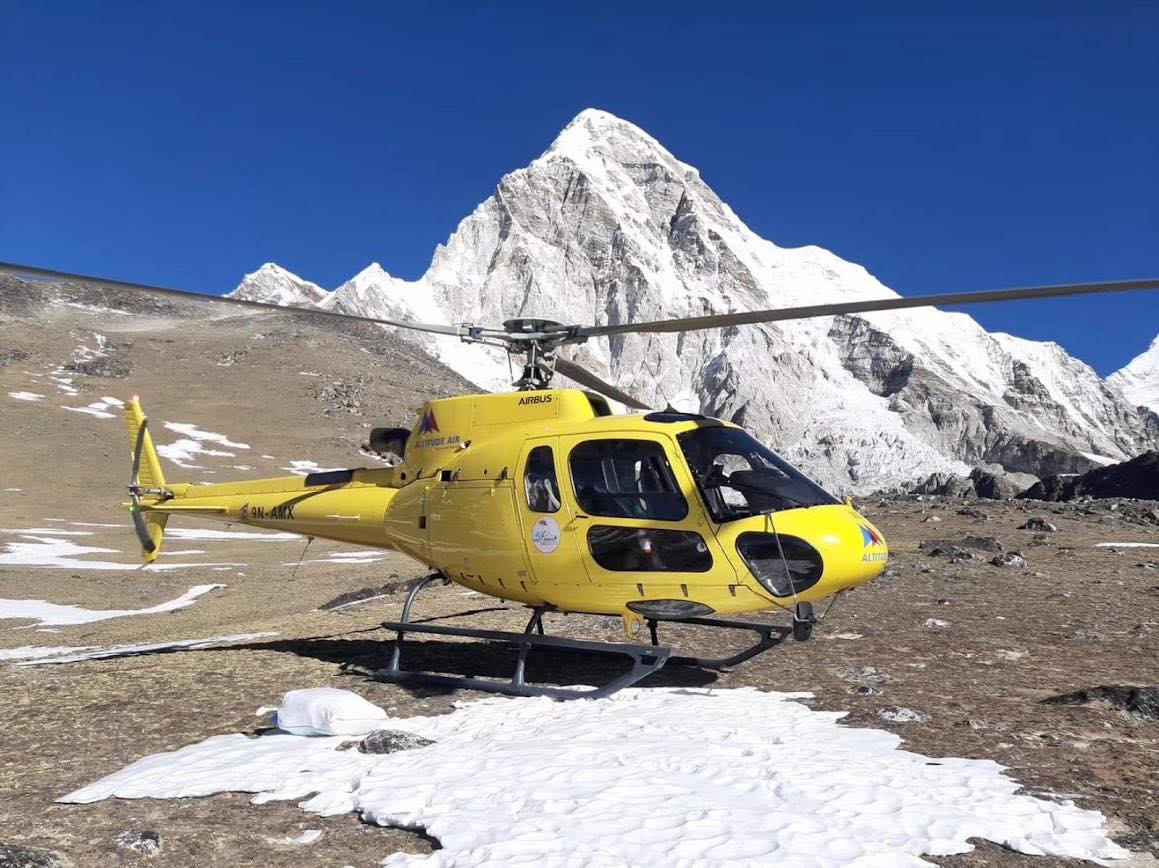
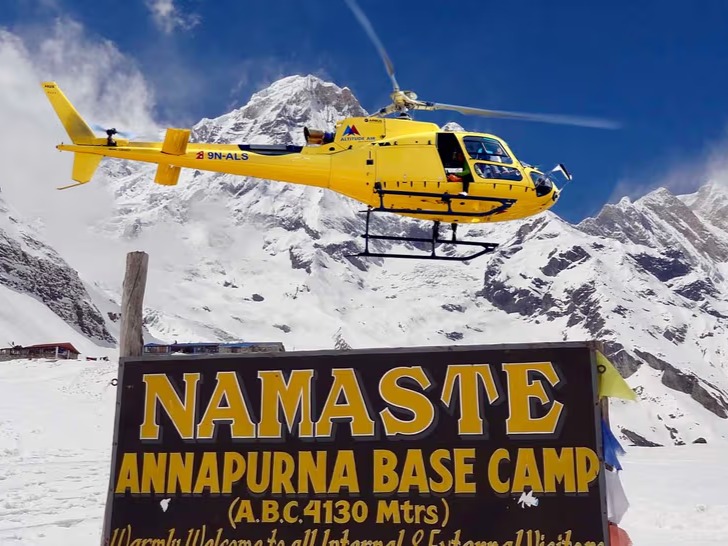
The flight to Lukla often gets cancelled due to bad weather. It usually happens in peak season. In the case your flight gets cancelled, you can have the alternative of taking helicopter. A helicopter can carry 4 or 5 people. It costs $ 350 to $500 per person.
The route of Everest Three Pass Trek has several tourist-friendly tea houses with basic accommodation facilities. The rooms are the twin-sharing type for this trek, but you can also get luxury suits at lower regions by paying an additional price.
Compared to other trekking routes, the accommodation services in this trail have advanced and developed throughout the years. Nowadays, they provide you with spongy mattresses, electric blankets, hot showers, and more.
But the facilities are limited to lower regions only, as the lodging is still simple in the upper parts. You will find a wooden bed with hard mattresses, a pillow, and a blanket.
We will be providing you a welcome or farewell dinner in Kathmandu and (Breakfast, Lunch, Diner ) throughout the Trekking . You can have any meal on the basis of your choice. There are a variety of options from typical Nepali dal-bhat, soups, snacks, momos, fried rice, to Chinese and continental dishes like noodles, spaghetti, spring rolls, and steak. The breakfast and dinner will be served in the lodge where we spend night and the lunch will be on the way in our destination
The Everest Three Pass trek trails lie in the Himalayan region of Nepal, where most of the areas are still underdeveloped. So, there are no public toilets available on the routes.
If you have to pee or poop while walking on the trail, you either go to the bushes or near the roads. So, do not feel embarrassed as everybody does the same.
Moreover, lodges and tea houses have proper toiletry, but most have pan style instead of sitting one. However, attached bathrooms are limited to lower areas only as upper regions have common toiletry.
Also, you should know that people living in these areas use water after pooping, so do not forget to carry toilet paper and tissues for yourself.
The Everest Three Pass hike is a solo trek, but we suggest hiring a guide for a better experience. Guides are great partners, navigators, and communicators who make your journey a lot safer.
Only professional and licensed guides can trek in these routes so that you can be relieved about their experience. They are the first responder in case of injuries and emergencies.
If you wish to hire a guide, then make sure they are fluent in other languages to make the communication easier. A guide also acts as a mediator between you and the local peoples and tells you about their culture, history, and lifestyles.
Traveling with a porter is also beneficial as they carry your load during the trek and become your closest companion.
Porters are residents of this region who have made several ups and downs in these trails. So, with their years of experience, they know several shortcuts and safe paths.
They carry all your baggage, belongings, and trekking gear, but the weight limit is from 20 to 30 kilograms only. Also, they only speak basic English, so communication can sometimes be a burden. However, they are very friendly, helpful, and fun people who entertain you throughout the trek.
10% of the cost of your trek is the average tips to be given to your guides and porters. It is kind and respect paid to your team. You can pay any amount above the minimum as per your service and satisfaction level.
To book the Everest Three Passes Trek, simply contact Gateway Adventure Treks and Expedition via our website or customer service for availability and detailed information. A 10% deposit is required at the time of booking to secure your spot, with the remaining balance due before the tour starts. Payments can be made through secure methods such as bank transfer, credit card, or online platforms. For cancellations or changes, Gateway Adventure Treks and Expedition provides clear guidelines, with partial refunds available depending on the timing. Be sure to review the booking terms and conditions to ensure a smooth process.
Though we recommend booking in advance to secure your spot on the tour, Gateway Adventure Treks and Expeditions accepts the last- minute bookings. For these bookings, full payment (100% of the tour price) is required at least 24 hours prior to departure. Please note that while we strive to offer flexibility, we cannot be responsible for any delays or unforeseen issues such as weather conditions or unavailable accommodations.
For last- minute bookings or inquiries, contact us at +977- 9851360663 or email us at info@gatewaytreks.com
Experience local culture
Best Price Guaranteed
Well-crafted itinerary
Free Sightseeing & Hotel
gatewaytreks@gmail.com





© Copyright Gateway Adventure Treks and Expedition Pvt. Ltd., 2026 All Rights Reserved