Nepal’s spring mountaineering season is once again showing why the country remains the world’s ultimate destination for high-altitude adventure. According to a recent Republica report, a total of 1,072 climbers from 79 countries have already received permits to climb different mountains in Nepal during the ongoing spring season. Among them, 811 are men and 261 are women, and the number may still increase as the season continues.
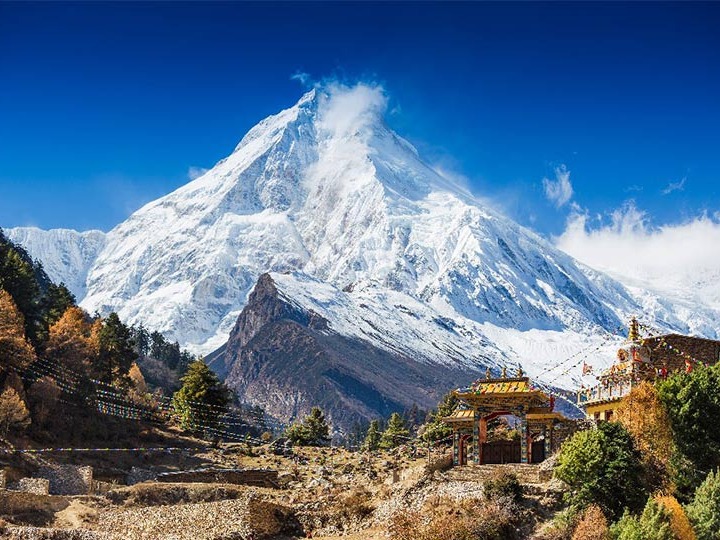
Spring is the most popular climbing season in Nepal because of relatively stable weather, clearer skies, and better summit windows before the monsoon arrives. From Everest to Mt. Lhotse, Mt. Ama Dablam, Mt. Makalu, Mt. Annapurna, Dhaulagiri, and Kanchenjunga, the Himalayas are now welcoming climbers, guides, support teams, and expedition operators from around the world.
Mount Everest, the highest mountain in the world, continues to attract the largest number of climbers. This spring, 464 climbers from 55 countries have received permits for Everest alone, including 364 men and 100 women. Chinese climbers make up the largest group with 139 permits, followed by climbers from the United States with 132 permits. Other major participating countries include India, the United Kingdom, Germany, Russia, Canada, Japan, France, Australia, and Ukraine.
This strong international interest shows that Everest is more than a mountain. For many climbers, it is a lifelong dream, a personal challenge, and a symbol of human endurance. For Nepal, Everest is also a major contributor to tourism revenue, employment, and global recognition.
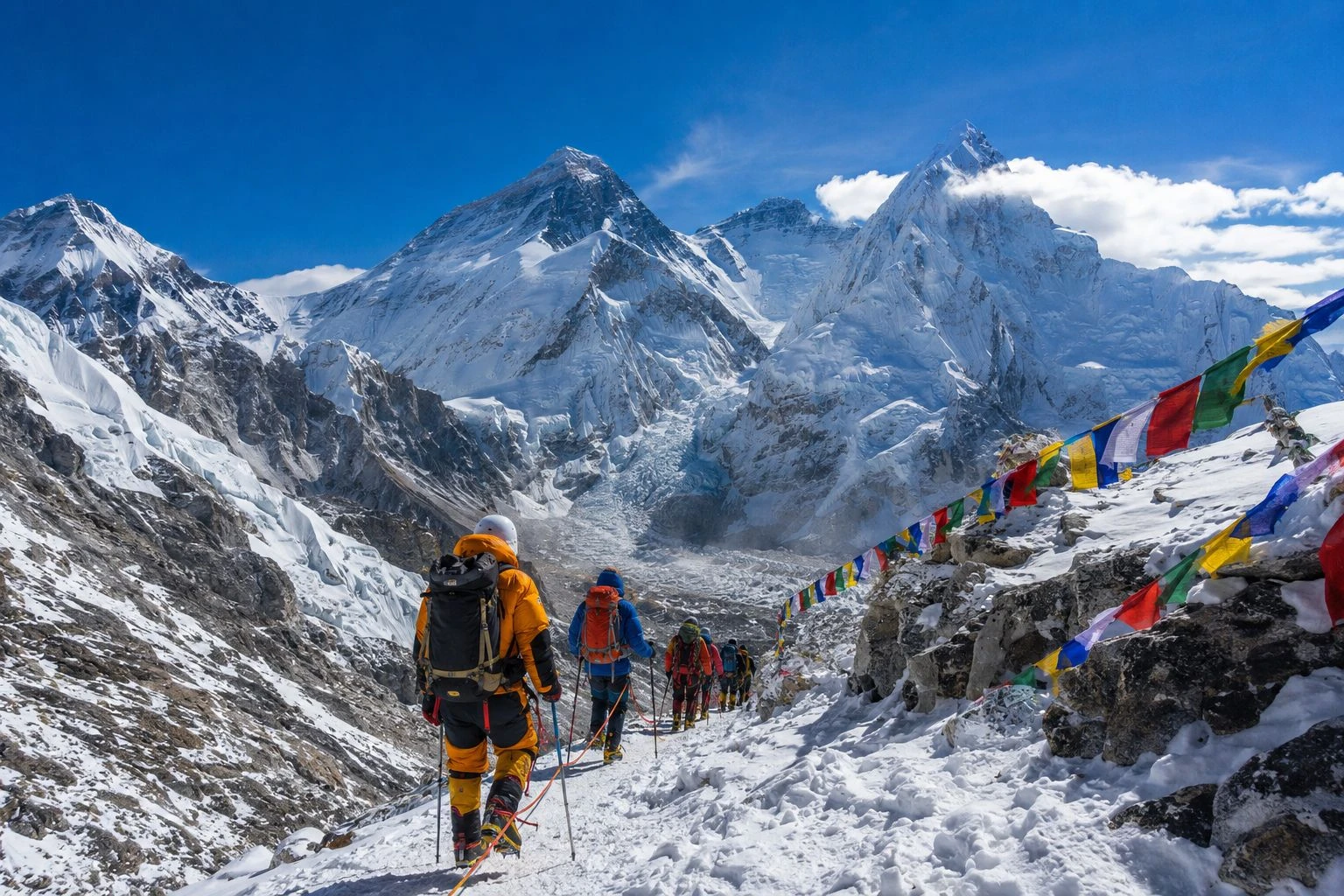
Nepal is home to eight of the world’s fourteen mountains above 8,000 meters, making it one of the most important mountaineering destinations on earth. This spring, the government has issued permits for 29 mountains and peaks, including Everest, Lhotse, Ama Dablam, Annapurna I, Dhaulagiri, Makalu, and Kanchenjunga.
The spring 2026 season has also generated major royalty revenue for Nepal. According to the Republica report, the government has collected more than Rs 1.17 billion in mountaineering permit royalties this year, with Everest alone contributing more than Rs 1.01 billion.
These figures highlight the economic importance of mountaineering. Expeditions support not only climbing companies but also guides, porters, cooks, lodge owners, helicopter operators, transport providers, gear suppliers, local communities, and government revenue systems.
Spring, especially April and May, is considered the prime mountaineering season in Nepal. During this period, the weather is generally more stable than in winter or monsoon months. Temperatures gradually become manageable at higher altitudes, and expedition teams can plan their acclimatization rotations before waiting for a final summit window.
For Everest, most climbers spend several weeks moving between Base Camp, Camp I, Camp II, and higher camps. This gradual process allows their bodies to adapt to thin air. Summit attempts are usually made when wind speed, temperature, and snow conditions are favorable.
However, mountain weather is never fully predictable. Climbers must remain flexible and follow the advice of expedition leaders, rope-fixing teams, weather forecasters, and experienced Sherpa guides.
Climbers have already started moving toward their expedition destinations, with many reaching Everest Base Camp. The Republica report notes that the Sagarmatha Pollution Control Committee has completed route preparation and rope fixing from Everest Base Camp through the Khumbu Icefall to Camp II. Rope fixing from Camp II toward the summit is being handled by the Expedition Operators Association of Nepal.
This is a critical part of Everest expedition safety. Fixed ropes help climbers move through dangerous sections, including crevasses, steep ice walls, exposed ridges, and high-altitude slopes. On Everest, the Khumbu Icefall is one of the most technically risky sections, so route preparation by experienced Icefall Doctors and support teams is essential.
The Himalayan Rescue Association Nepal has also deployed medical teams to Everest Base Camp and Pheriche to provide health services to climbers and trekkers during the season.
The rising number of permits shows that Nepal’s mountaineering sector has recovered strongly after the COVID-19 slowdown. Interest in both major expeditions and trekking peaks is increasing, especially among international climbers seeking serious adventure in the Himalayas.
For future climbers, this means planning early is more important than ever. Popular mountains, experienced guides, quality logistics, Base Camp services, high-altitude support, oxygen arrangements, permits, and domestic flights can become heavily booked during peak season.
A successful expedition does not begin at Base Camp. It begins months earlier with training, preparation, document management, gear selection, insurance, altitude planning, and choosing the right expedition operator.
Climbers planning an expedition in Nepal should focus on preparation in five key areas.
First, choose the right mountain based on your experience. Everest is not suitable for beginners. Climbers should have previous high-altitude experience before attempting 8,000-meter peaks. Mountains like Island Peak, Mera Peak, Lobuche East, and Ama Dablam can be suitable progression climbs depending on technical skill and fitness.
Second, understand permit requirements. The Department of Tourism lists updated royalty provisions effective from September 1, 2025, including a spring Everest normal route royalty of USD 15,000 per foreign climber. The same official page also lists garbage deposit requirements, including USD 4,000 for Everest.
Third, secure strong insurance. For high-altitude expeditions, travel insurance should include emergency medical treatment and helicopter evacuation. In remote Himalayan regions, helicopter evacuation may be the fastest way to reach advanced medical care.
Fourth, prepare physically and mentally. Climbing in Nepal requires endurance, patience, discipline, and strong decision-making. Summit success depends not only on strength but also on acclimatization, weather judgment, teamwork, and the ability to turn back when conditions are unsafe.
Fifth, choose an experienced expedition company. A responsible operator manages permits, logistics, route support, Base Camp services, climbing Sherpas, oxygen systems, food, communication, weather updates, emergency response, and environmental responsibility.
The 2026 spring season confirms that Nepal remains at the center of global mountaineering. Despite challenges such as weather uncertainty, geopolitical tensions, rising expedition costs, and safety concerns, climbers continue to choose Nepal for their Himalayan dreams.
This is also a reminder that Nepal’s mountains must be managed responsibly. As climbing numbers grow, safety, waste management, crowd control, local employment, environmental protection, and ethical expedition practices become even more important.
Mountaineering is not only about reaching the summit. It is about respecting the mountain, supporting local communities, protecting fragile landscapes, and returning safely.
With more than 1,000 climbers receiving permits this spring, Nepal’s Himalayas are once again alive with ambition, courage, and adventure. Everest remains the biggest attraction, but the entire Himalayan range continues to offer extraordinary opportunities for climbers of different levels.
For anyone dreaming of climbing in Nepal, this is the right time to start planning carefully. Whether your goal is Everest, Ama Dablam, Manaslu, Mera Peak, Island Peak, or another Himalayan summit, the journey begins with preparation, the right guidance, and deep respect for the mountains.
Planning a mountaineering expedition in Nepal? Gateway Adventure Treks and Expedition can help you design a safe, well-managed, and professionally guided Himalayan climbing experience, from permits and logistics to Base Camp support and high-altitude coordination.









© Copyright Gateway Adventure Treks and Expedition Pvt. Ltd., 2026 All Rights Reserved