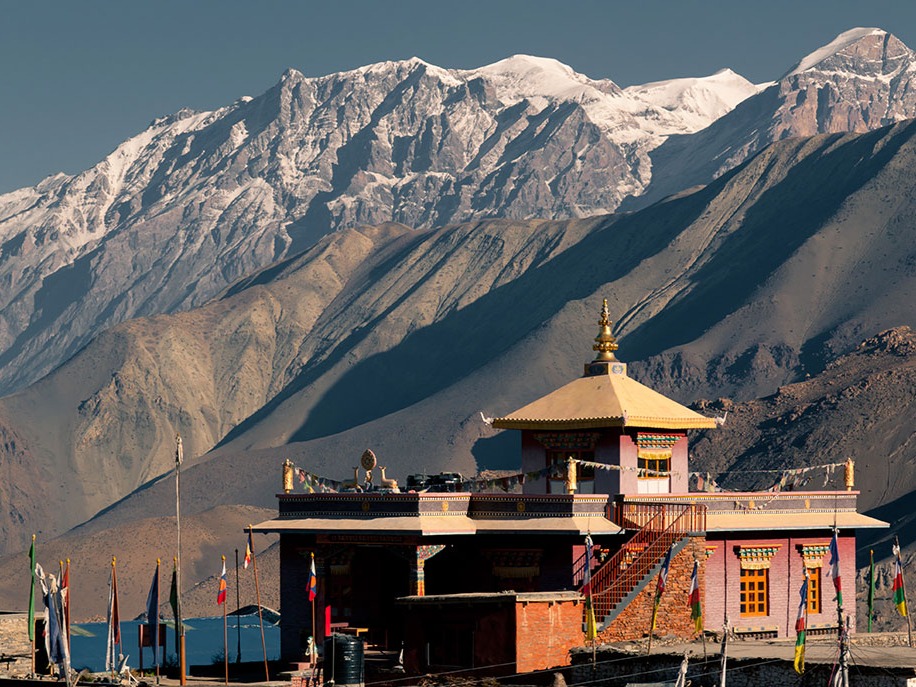
Patan is not just a city, it is a timeless realm where art, devotion, and history intertwine. As I stepped into its sunlit courtyards, the air felt charged, not only with the anticipation of Krishna Astami but with the weight of centuries. I had come here as a learner of the Bhagavad Gita, seeking to feel Krishna’s presence not just in scripture but in stone, sound, and community.

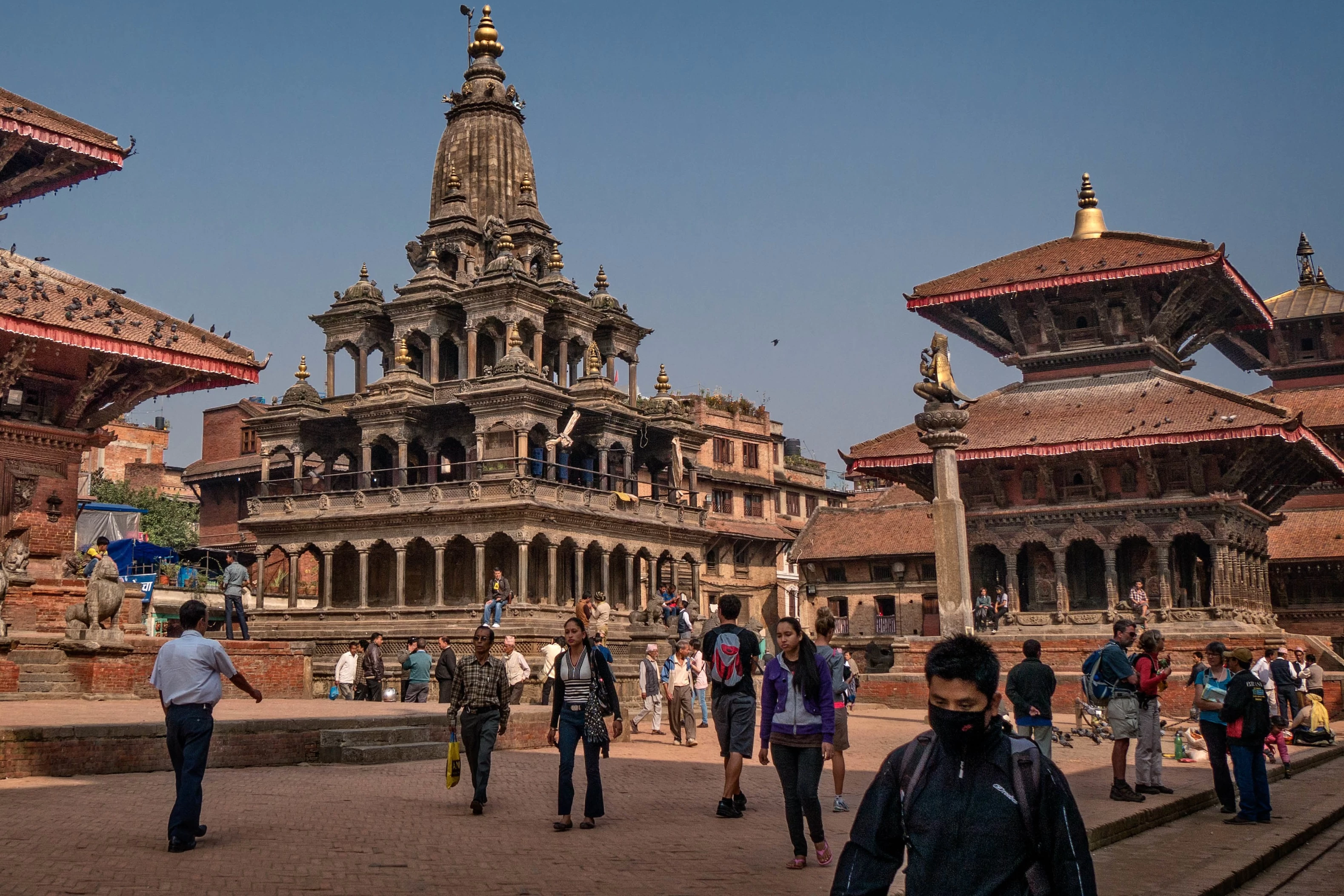
Patan Durbar Square stands as the beating heart of the old city. Surrounded by royal courtyards, intricately carved windows, and temples that seem to rise effortlessly from the brick-paved ground, it is a UNESCO World Heritage Site where heritage is not preserved behind glass but lived every day. The square once formed the royal center of the Malla Kingdom of Patan, a place where politics, religion, and art existed in perfect balance, at least for a time.
The Malla era (14th–18th century) was Patan’s golden age. Kings here were not just rulers; they were patrons of culture and faith. The city thrived as a center of trade, with caravans bringing goods from Tibet, India, and beyond. But politics were never simple. Patan’s throne saw frequent changes, with kings rising and falling amidst family rivalries and noble intrigue.
For the Malla kings, Lord Krishna was more than a deity, he was a model ruler. In the Mahabharata and the Bhagavad Gita, Krishna is both philosopher and strategist, guiding Arjuna through the ethics of war and governance. His counsel on dharma, justice, and statecraft resonated with rulers trying to hold a diverse kingdom together.
The Malla kings admired Krishna’s skill in balancing diplomacy and decisive action. The Gita’s teachings on selfless duty (nishkama karma) and righteous leadership offered a political blueprint. In the court of Patan, Krishna’s wisdom was not confined to temples, it shaped policy, alliances, and even the way rulers saw their divine role.
Despite its cultural brilliance, Patan’s monarchy was often unstable. Succession disputes weakened the kingdom, and real power sometimes shifted to the Pradhans, influential noble families who could make or break a king’s reign.
Amid this shifting political ground, one ruler left an enduring mark: Siddhi Narsingh Malla. In 1637, he commissioned Krishna Mandir, inspired, according to legend, by a divine vision of Krishna himself. Choosing to build it entirely in stone, in the North Indian Shikhara style, was revolutionary in the Kathmandu Valley, where brick and wood were the norm. The result was a masterpiece: three stories crowned with a golden finial, its base and walls carved with scenes from the Mahabharata and Ramayana.
Siddhi Narsingh’s successors, Yog Narendra Malla and Shree Niwas Malla, continued to embellish Patan. Yog Narendra, remembered for his mysterious golden statue on a pillar in Durbar Square, was deeply religious. Shree Niwas was ambitious, expanding territory but also facing mounting challenges from within and beyond the valley.
Over time, factionalism and external pressure eroded Patan’s strength. When Prithvi Narayan Shah of Gorkha began his unification campaign in the mid-18th century, the divided valley kingdoms, including Patan proved vulnerable. Patan eventually fell, marking the end of its independent rule.
Krishna Mandir is unique for its 21 shrines. The main sanctum houses Krishna with his consort Rukmini, but surrounding shrines honor deities like Shiva, Vishnu, and Garuda, embodying a spiritual inclusiveness that was central to Malla-era Hinduism. The carvings are not merely decorative, they are storytelling in stone, preserving the epics for generations.
Every inch of the temple is alive with meaning: warriors frozen mid-battle from the Mahabharata, Rama’s exile from the Ramayana, celestial beings in graceful poses. These images serve as both devotion and education, much like the Bhagavad Gita itself, offering moral and spiritual lessons to anyone who pauses to look closely.
Centuries later, Krishna Mandir remains the spiritual center of Patan. On Krishna Astami, it transforms into a sea of devotion, lamps flicker, conch shells sound, and the temple’s steps fill with thousands who come to honor the god’s birth. It is a tradition unbroken by time, political change, or the wear of centuries.
Standing in the cool shade of the temple’s stone pillars, I felt the weight of both history and teaching. The Bhagavad Gita speaks of doing one’s duty without attachment to the result, of leading with compassion and wisdom. In the rise and fall of Patan’s kings, in the survival of this temple, I saw those lessons lived and tested.
As the sun dipped behind the old palace, a golden light bathed the 21 shrines. Bells rang out across the square, mingling with the murmured prayers of devotees. I left with the words of Krishna still echoing in my mind:
"Surrender to Me alone; I will deliver you from all sinful reactions. Do not fear."
And as the crowd moved in unison, I realized that this was not just history, it was a living scripture.













© Copyright Gateway Adventure Treks and Expedition Pvt. Ltd., 2026 All Rights Reserved