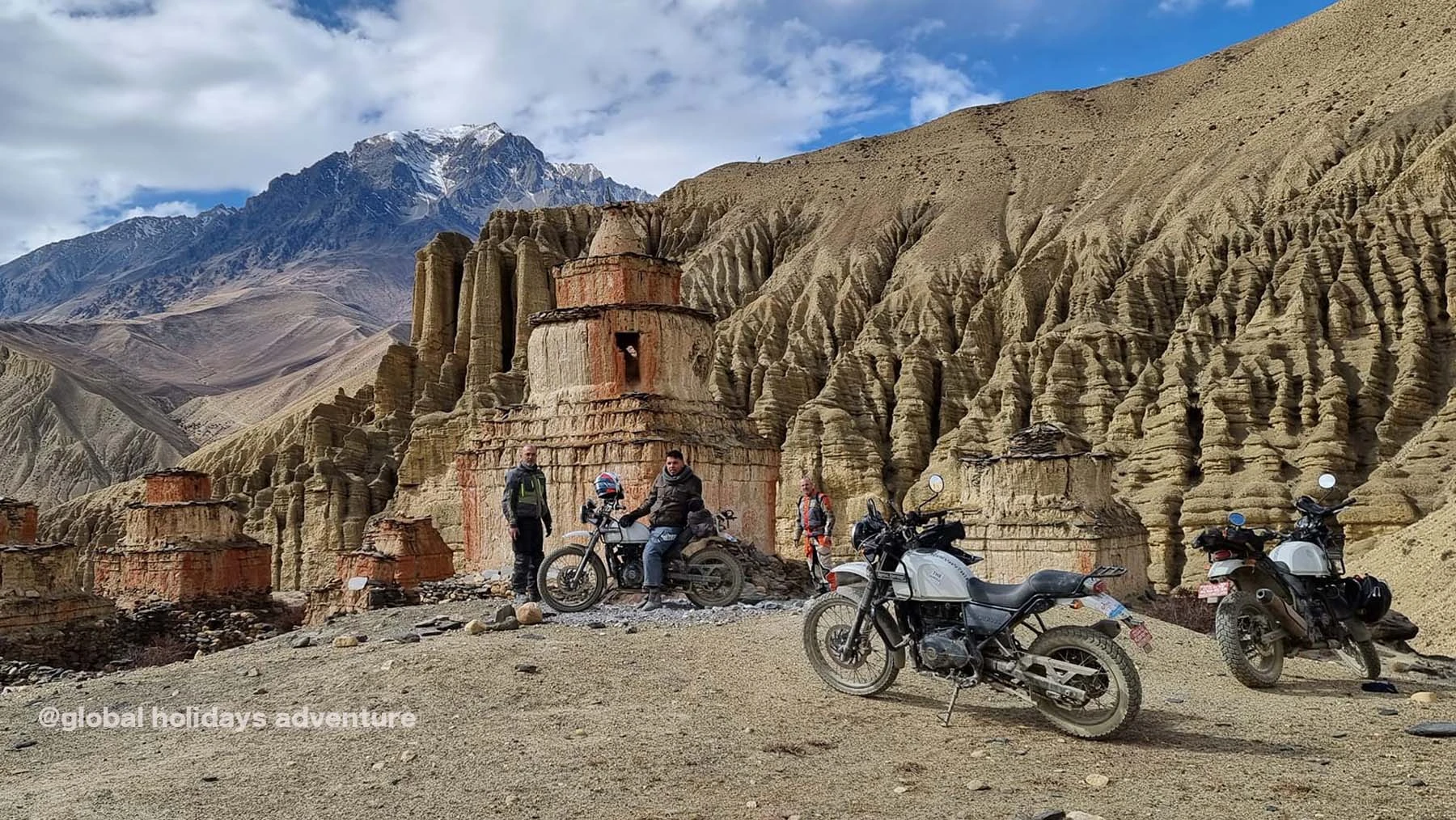
11-Day / 10-Night Himalayan Motorbike Ride to Pokhara, Jomsom, Kagbeni, Muktinath, and Manang.
 Certified
  Sustainable
  Best Price
  Challenge level
 Destination Destination
|
Nepal |
|---|---|
 Activity Activity
|
Motorbike Tours in Nepal |
 Duration Duration
|
11 Days |
 Meals Meals
|
Breakfast, Lunch, Dinner |
 Accomodation Accomodation
|
Hotel and TeaHouse |
 Group size Group size
|
2-16 |
 Best Season Best Season
|
February to June and September to December |
 Max Altitude Max Altitude
|
3800 m |
 Trip Code Trip Code
|
MMMT11 |
 Transportation Transportation
|
Royal Enfield Himalayan |
 Grade Grade
|
Moderate |
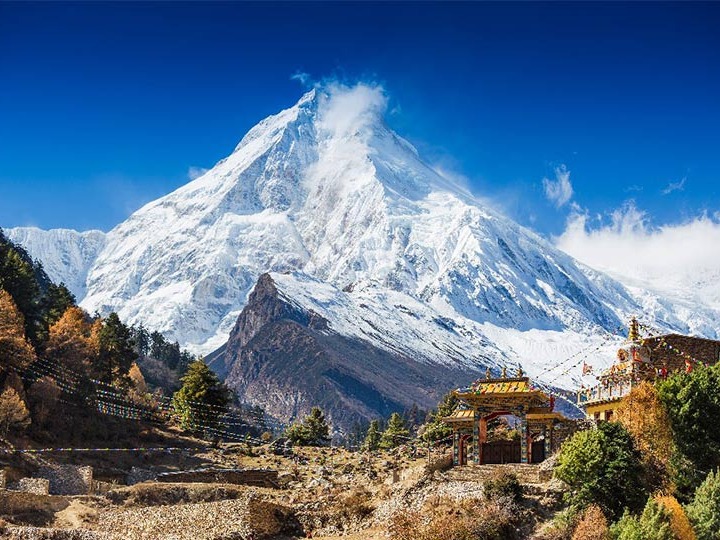
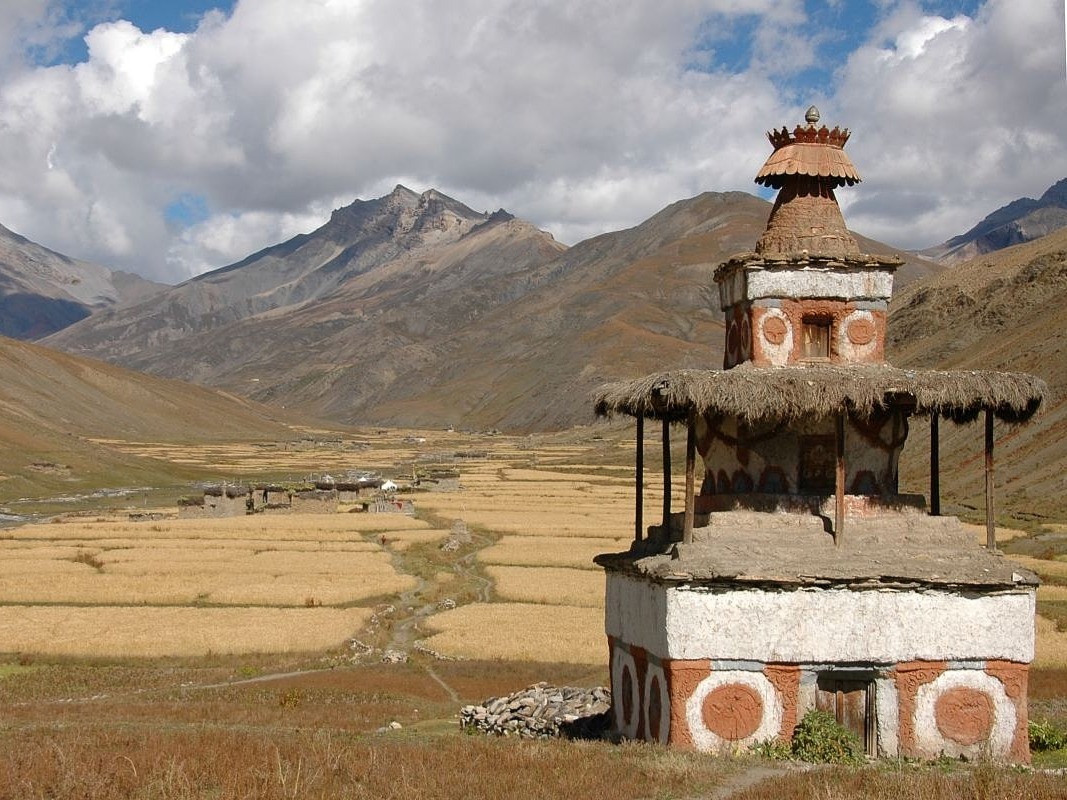
This 11-day Manang Mustang Motorbike Tour is designed for riders who want to experience two contrasting Himalayan regions in one powerful riding adventure. The journey begins along the bustling roads of Kathmandu Valley through Prithvi Highway, following the Trishuli River Corridor. After covering 200KM we arrived at Pokhara. The route first follows the Kali Gandaki corridor, leading to the apple village of Marpha, the windy town of Jomsom, the ancient village of Kagbeni, and the sacred temple of Muktinath. The journey then turns toward Pokhara and continues the Marsyangdi Valley toward Manang, where green valleys, pine forests, Buddhist settlements, dramatic cliffs, and glacial views create a classic Annapurna riding experience.
The tour combines paved highway sections, rough mountain roads, gravel tracks, riverside trails, dusty ridges, suspension bridges, and high-altitude village routes. It suits riders with basic to moderate mountain riding experience who are comfortable with long riding days, steady group riding, and changing road conditions.
Gateway Adventure manages the route, permit support, accommodation coordination, motorbike arrangements, safety briefing, and optional backup vehicle service. The focus is not only on reaching Manang and Mustang, but on enjoying the entire Himalayan ride with confidence, with enough time for local food, photography, culture, and rest stops.
Most motorcycle tours focus on either Manang or Mustang as separate riding programs. This itinerary combines both regions into a single 11-day experience, giving riders a deeper sense of Nepal's mountain diversity. Within one journey, riders move from Kathmandu's urban road network to Pokhara's lakeside, Mustang's dry Himalayan corridor, Manang's high alpine villages, and Bandipur's old Newari charm.
The ride is adventurous but not rushed. Each day is planned to balance riding time, road conditions, altitude, rest, sightseeing, and cultural stops. The route is especially rewarding for riders who enjoy technical mountain riding without crossing extreme high passes.
| Place | Experience |
|---|---|
| Kathmandu | Arrival, preparation, bike briefing, and introduction to Nepal's riding environment. |
|
Besisahar and Jagat |
Gateway to the Manang road, with river valleys, villages, and the beginning of rough Himalayan riding. |
|
Chame and Pisang |
Classic Annapurna Circuit settlements with pine forests, cliffs and mountain views. |
|
Manang |
High Himalayan village atmosphere, Green Lake, Blue Lake, Buddhist culture and alpine scenery. |
|
Pokhara |
Lakeside relaxation, mountain views and a soft reset before entering Mustang. |
|
Kushma / Baglung / Beni Corridor |
Scenic river valleys, suspension bridges and adventure activities such as Bunjee zones depending on timing. |
|
Tatopani |
Natural hot spring area, ideal for relaxing after mountain riding. |
|
Rupse Waterfall |
Dramatic roadside waterfall and a popular photo stop on the way to Mustang. |
|
Kalopani |
Peaceful mountain village along the Kali Gandaki corridor. |
|
Marpha |
Apple orchards, whitewashed houses, stone lanes and Thakali hospitality. |
|
Jomsom |
Windy Mustang valley hub and administrative center of the region. |
|
Kagbeni |
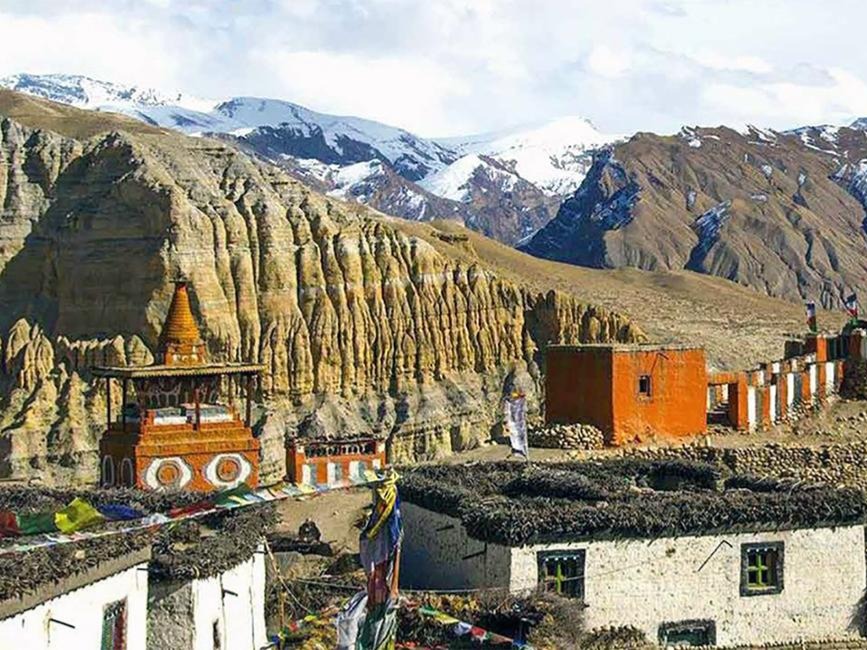
Photogenic village with narrow alleys, mud houses and gateway atmosphere toward Upper Mustang. |
| Muktinath | Sacred high-altitude pilgrimage site with panoramic mountain views. |
| Bandipur |
Historic Newari hill town with quiet streets, mountain views and cultural charm. |
|
|---|
This tour is best described as a moderate Himalayan motorbike adventure. The route includes city traffic, paved highways, hill roads, gravel sections, rocky tracks, dust, narrow corners, seasonal mud, water crossings, and changing mountain weather. The Manang and Mustang sections can be demanding, especially after rainfall, road construction, or landslides.
Riders should focus on control rather than speed. Low-speed balance, safe braking, clutch control, careful cornering, and patience are essential. The support team will brief riders daily and adjust the schedule when road or weather conditions require flexibility.
|
Note: The standard Manang Mustang route requires two Annapurna Conservation Area Permits (ACAP). One for the Manang region and one for the Mustang region. Permit checking may take place at checkpoints along the route. |
|
Group Size |
Indicative Price Per Person |
Remarks |
|---|---|---|
|
1 rider |
On Request |
Solo riding can be arranged on request with a guide and proper support. |
|
2 riders |
On Request |
Recommended minimum private group size for better safety and cost sharing. |
|
3 to 6 riders |
On request |
Final price depends on hotel category, bike model, and support arrangement. |
|
6 to 10 riders |
On request |
Group discount may be available based on customization. |
|
More than 10 riders |
On request |
Support van may be included when clearly stated in the final package. |
|
Add-on |
Additional Cost |
Details |
|---|---|---|
|
Upgrade to 4-star/ 5-star hotel in Kathmandu, 2 nights |
|
Based on double occupancy. Possible hotels may include Aloft Kathmandu, Dusit Princess Kathmandu, or similar standard properties, subject to availability. |
|
Extra night in Kathmandu or Pokhara |
|
Useful for sightseeing, rest, flight buffer, or additional adventure activities. |
|
Backup 4x4 support vehicle |
|
Recommended for luggage support, emergency comfort, and mechanical assistance. Included only when clearly stated in the final package or for qualifying group sizes. |
|
Upgrade to Honda CRF 250 or similar off-road bike |
|
Subject to availability. Recommended for riders who prefer a lighter off-road-focused bike. |
| Non-rider companion by vehicle | - | Suitable for travelers who want to join the route without riding a motorbike. |
The itinerary can be customized for riders who want a shorter, longer, or more relaxed tour. Possible extensions include:
The standard Manang and Lower Mustang route lies within the Annapurna Conservation Area. Riders need the Annapurna Conservation Area Permit (ACAP). Gateway Adventure arranges the permit process before the trip when permit service is included in the final package.
The Royal Enfield Himalayan or similar are suitable options for this Manang Mustang Bike Ride Tour. The Himalayan is known for stability, comfort, and durability on long mixed-terrain rides. It is a good choice for riders who prefer a steady machine for gravel roads, rough tracks, and long travel days.
The Honda CRF 250 is lighter and more agile, making it attractive for riders who prefer better handling on technical rough sections. It is subject to availability and may be offered as an upgrade depending on the final package.
Every mountain journey carries some risk of Acute Mountain Sickness (AMS). The risk is lower than high-pass trekking because this itinerary stays below around 4,000 meters, but riders may still feel mild discomfort because the route gains altitude quickly and the climate becomes dry and cold in the higher areas.
Common symptoms may include headache, nausea, dizziness, fatigue, poor sleep or loss of appetite. Early recognition is important. Riders should drink enough water, avoid unnecessary alcohol, eat well, sleep properly, and communicate with the guide if symptoms appear. Medicine such as Diamox should be used only after medical advice.
The guide will monitor the rider's condition and adjust pace or route decisions when needed. Safety always comes before schedule completion.
In Kathmandu and Pokhara, accommodation is arranged in selected hotels on a twin-sharing or single-room basis depending on the final quotation. In Manang, Mustang and Bandipur sections, riders stay in the best available lodges, guesthouses or teahouses along the route.
Mountain lodges are simple but practical. Rooms usually include twin beds, blankets, and basic facilities. Attached bathrooms and hot showers may not be available everywhere, and hot showers may cost extra in some lodges.
Meals usually include Nepali, Thakali, Tibetan, Indian, and simple continental options. Common choices include Dal Bhat, Thakali set, noodles, fried rice, momo, soup, potatoes, eggs, Tibetan bread, pasta, tea and coffee.
Safety is managed through route briefing, controlled riding pace, experienced local guidance and practical support arrangements. Road conditions in Manang and Mustang change frequently because of rain, snow, landslides, construction, dust and seasonal river flow.
Travel insurance is required for this tour. The policy should cover motorbike riding, medical treatment, accident expenses, emergency evacuation, rescue coordination, high-altitude travel up to around 4,000 meters, and trip interruption.
Riders should confirm with their insurance provider that off-road or adventure motorbike touring is not excluded. Policies vary, so this confirmation should be completed before traveling to Nepal.
Basic mechanical support is arranged to keep the journey moving smoothly. However, repair or replacement costs caused by accidents, falls, irresponsible riding, theft, careless handling, or personal negligence are the rider's responsibility. Riders must follow the guide's safety instructions and ride within their ability.
| Company | Gateway Adventure Treks & Expedition Pvt. Ltd./td> |
|
|
gatewaytreks@gmail.com |
|
WhatsApp / Viber |
+977 9851360663 |
|
Website |
www.gatewaytreks.com |
NOTE: Final package price and inclusions may change according to customization, hotel category, group size, motorcycle model, season, route conditions, and support vehicle arrangements.
| # | Activity | Overnight | Max. Altitute | Distance / Time | Meals |
|---|---|---|---|---|---|
| Day 01 | Arrival in Kathmandu | Hotel | 1350 m | 30 min | NA |
| Day 02 | Sightseeing in Kathmandu and Test Ride | 1350 m | Breakfast | ||
| Day 03 | Ride from Kathmandu to Pokhara | Pokhara | 820 m | 200 km / 7 Hours | Breakfast |
| Day 04 | Ride from Pokhara to Kalopani | Hotel, lodge or teahouse | 2600 m | 126 KM / 4 to 5 Hours | Breakfast + Lunch + Dinner |
| Day 05 | Ride from Kalopani to Muktinath | Hotel/Lodge | 3800 m | 50 / 3-4 hours | Breakfast, Lunch, Dinner |
| Day 06 | Ride from Muktinath to Pokhara | Pokhara | 3800 m | 173 km / 6-7 Hours | Breakfast, Lunch |
| Day 07 | Ride from Pokhara to Jagat | Teahouse or lodge in Jagat | 112 km / 5-6 Hours | Breakfast, Lunch , Dinner | |
| Day 08 | Ride from Jagat to Manang | Hotel/Lodge | 3540 m | 63 km / 4 Hours | Breakfast, Lunch, Dinner |
| Day 09 | Explore Green Lake and Ride Back to Bandipur | Hotel/Lodge | 3270 m | 142 km / 6-7 hours | Breakfast, Lunch |
| Day 10 | Ride from Bandipur to Kathmandu | Kathmandu | 1350 m | 146 km / 5 | Breakfast |
| Day 11 | Final Departure | Hotel | 1350 m | Breakfast |
Kathmandu- Pokhara- Jomsom- Kagbeni -Muktinath- Pokhara-Besisahar-Jagat-Manang- Bandipur-Kathmandu
Welcome to Nepal. After completing airport formalities, a Gateway Adventure representative will meet you at Tribhuvan International Airport and transfer you to your hotel in Kathmandu.
The rest of the day is kept relaxed so you can recover from the flight and prepare for the ride the next day. In the evening, your guide will explain the route, riding conditions, safety practices, permit requirements, support arrangements, and daily schedule.
Day highlights:
After enjoying a delicious breakfast at the hotel, our guide will meet for a short briefing about the journey ahead. The guide will explain the route, riding plan, safety instructions, road conditions, and important travel preparations before the adventure begins.
Today, we will also explore the UNESCO World Heritage Sites of Kathmandu, including a visit to Pashupatinath Temple, a sacred ancient temple on the bank of the Bagmati River, observing spiritual rituals, temple architecture, and the unique religious atmosphere of Kathmandu.
We will then continue to Boudhanath Stupa and Swayambhunath Stupa, two of the most iconic Buddhist heritage sites in the valley where one can witness monks chanting prayers, devotees walking around the stupa, and the peaceful spiritual energy of Tibetan Buddhist culture. Enjoy panoramic views of Kathmandu Valley while observing prayer flags, shrines, and the playful monkeys around the hilltop site.
Later in the afternoon or early evening, we will inspect our Royal Enfield Himalayan motorbikes and take a short test ride. This helps every rider become familiar with the bike, local traffic flow, road behavior, and riding style in Nepal. The test ride is also a useful opportunity to make minor adjustments before beginning the long ride to Pokhara the next morning.
After the test ride, we will return to the hotel, enjoy dinner, and rest early in preparation for the exciting motorbike journey ahead.
After breakfast, the ride begins from Kathmandu through the western exit of the valley. The route follows the Prithvi Highway through river valleys, hill towns, and busy road sections before reaching Pokhara, the city of lakes.
Day highlights:
After breakfast, the group leaves Pokhara and rides toward Mustang through the Baglung and Beni corridor. The early section is smoother, but the road becomes more adventurous as the route approaches the Kali Gandaki Valley.
From Beni onward, riders begin to experience the real character of the Mustang road. Gravel, mud patches, rock slabs, water crossings, and narrow sections may appear depending on season and road maintenance. Rupse Waterfall is one of the main scenic stops of the day before continuing through Ghasa and Lete toward Kalopani (2600m).
Day highlights:
This is a major highlight day of the Mustang section. The ride follows the Kali Gandaki corridor through Kowang, Tukuche, Marpha, Jomsom, Ekle Bhatti and Kagbeni before climbing toward Muktinath.
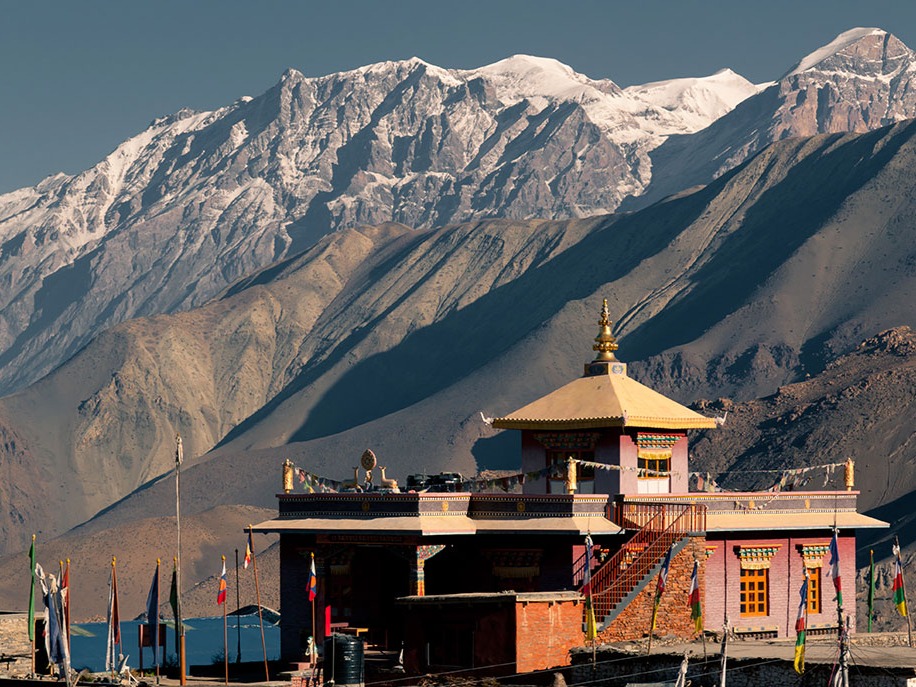
Kagbeni is a beautiful village with narrow alleys, traditional houses, and a strong gateway feeling toward Upper Mustang. From there, the road climbs to Muktinath, a sacred pilgrimage site for Hindus and Buddhists. Riders can visit the temple complex, 108 waterspouts, and the eternal flame area as time allows.
Day highlights:
After breakfast, the ride descends from Muktinath through Kagbeni, Jomsom, Marpha, Tukuche, Lete and Ghasa before reaching Tatopani. If timing and energy allow, riders can relax in the natural hot spring area.
After checking in at the hotel, it’s free time for the riders. Riders can relax around Lakeside, enjoy the calm atmosphere of Phewa Lake, take a short boat ride, or prepare gear for the next phase of the journey.
Day highlights:
Riding from Pokhara to Jagat through Besisahar in .......
From Besisahar, the riding character changes. The road begins to follow the Marsyangdi River through Khudi, Bhulbhule, Ngadi, Ghermu, Bahundanda, Syange, and other small settlements. The final approach to Jagat introduces riders to dirt roads, mountain turns, and the feeling of entering the Annapurna region.
Today's ride is one of the most rewarding parts of the journey. The trail climbs from the lower Marsyangdi Valley toward the high alpine world of Manang. Riders pass Chamje, Tal, Dharapani, Bagarchhap, Timang, Koto, Chame, Bhratang, Dhukur Pokhari and Pisang before reaching Manang.
The landscape changes quickly from green valleys and waterfalls to pine forests, cliffs, dry slopes and open Himalayan views. On clear days, riders may see Manaslu, Lamjung Himal, Annapurna II, Annapurna IV, Pisang Peak, Chulu ranges and Gangapurna.
The road can be rough, dusty, rocky and narrow, with steep climbs and descents. The group will ride at a controlled pace with regular photo, rest and engine-cooling stops.
Day highlights:
The morning begins with a short excursion to a beautiful green glacial lake located below Gangapurna Peak and its glacier. The lake offers a peaceful setting and a memorable view of the surrounding high mountains.
After returning from the lake area, the group prepares the bikes and rides back toward Besisahar. The same mountain settlements and landscapes appear again, but the downhill perspective makes the ride feel different. The road still demands attention, especially on rocky, dusty, and narrow sections, and climb to Bandipur. This is a long riding day, but the changing landscapes make the route memorable.
Bandipur (1,030 m) is an old Newari hill town known for stone-paved streets, red-brick houses, peaceful lanes, and mountain views. After several rugged riding days, the calm atmosphere of Bandipur provides a pleasant cultural ending to the mountain route.
Day highlights:
After breakfast, the group rides back to Kathmandu through Dumre, Aanbu Khaireni, Mugling, Benighat, Gajuri, Galchi, and the western entry of Kathmandu Valley. The ride gradually returns from rural hill landscapes to the busy city environment.
After reaching Kathmandu, riders can rest, return riding equipment, complete final formalities or enjoy a farewell dinner if included in the final package.
Day highlights:
Depending on your flight time, you may have free time for souvenir shopping or a short walk around Kathmandu. Gateway Adventure will transfer you to Tribhuvan International Airport according to your departure schedule.
You leave Nepal with memories of Manang's alpine roads, Mustang's sacred landscapes, hot springs, apple villages, mountain cultures and the unforgettable feeling of riding across two Himalayan regions.
Day highlights:
Riders should pack light but carefully. The goal is to stay protected from cold, dust, wind, sun, rain and changing road conditions.
To book the Manang Mustang Motorbike Tour, simply contact Gateway Adventure Treks and Expedition via our website or customer service for availability and detailed information. A 10% deposit is required at the time of booking to secure your spot, with the remaining balance due before the tour starts. Payments can be made through secure methods such as bank transfer, credit card, or online platforms. For cancellations or changes, Gateway Adventure Treks and Expedition provides clear guidelines, with partial refunds available depending on the timing. Be sure to review the booking terms and conditions to ensure a smooth process.
Though we recommend booking in advance to secure your spot on the tour, Gateway Adventure Treks and Expeditions accepts the last- minute bookings. For these bookings, full payment (100% of the tour price) is required at least 24 hours prior to departure. Please note that while we strive to offer flexibility, we cannot be responsible for any delays or unforeseen issues such as weather conditions or unavailable accommodations.
For last- minute bookings or inquiries, contact us at +977- 9851360663 or email us at info@gatewaytreks.com
Experience local culture
Best Price Guaranteed
Well-crafted itinerary
Free Sightseeing & Hotel
gatewaytreks@gmail.com





© Copyright Gateway Adventure Treks and Expedition Pvt. Ltd., 2026 All Rights Reserved