Nepal is not completely closed. But travel in the flood-affected areas is very different from travel in areas that were not directly affected. The safest choice is to check your exact destination and road before you travel.
This article is based on information available on 29 August 2026. The situation is changing quickly, so road conditions, warnings and casualty numbers may change.
On the morning of 26 August 2026, a sudden and extremely powerful flood entered the Bhote Koshi River in Rasuwa. The flood carried a huge amount of water, mud, ice, rocks and other debris downstream. It badly affected riverside communities and then moved through the Bhote Koshi–Trishuli–Narayani river system.
Early reports first raised the possibility of a glacial lake outburst. Later satellite images and expert analysis pointed to a large ice-and-rock avalanche in the high mountains on the Tibet side. The falling ice and rock blocked a river and created a temporary natural dam. Water collected behind the blockage, forming a temporary lake. When the blockage failed, the stored water and debris rushed downstream as a powerful flood. The exact chain of events is still being studied.

A new danger has also appeared after the first flood. Another debris blockage has created a lake near the Nepal–China border, and authorities have warned that rising water or a sudden release could cause another flood downstream.
The main disaster happened on 26 August, 2026 especially around Rasuwa. The flood then moved downstream and severely affected Nuwakot, Dhading and other communities along the river system. Bodies and flood debris have also been found much farther downstream.
Roads, bridges, buildings, communication systems, hydropower facilities and border infrastructure were damaged or destroyed. Early reports recorded 19 motorable bridges and around 40 km of roads destroyed. Later assessments put the damage in Rasuwa at about 41 bridges and around 40 km of roads, showing how quickly the damage picture has been updated.
The Government of Nepal has declared affected areas as disaster crisis zones, while security agencies and emergency teams continue search, rescue, relief and damage assessment.
This is a major humanitarian disaster, and the numbers are still changing.
As of 6:00 a.m. on 29 August, Nepal Police reported that 616 bodies had been recovered in Nepal from the disaster. The bodies were found across Rasuwa, Nuwakot, Dhading, Chitwan, Gorkha, Tanahun, Nawalparasi East and Nawalparasi West. Because search teams are still working in difficult and isolated areas, these numbers may change.
Many people are still missing, while others have been rescued or found safe. The official NDRRMA rescue and missing-person system lists people by name and status, including people marked as rescued, safe, injured or missing.
If you are looking for a family member, friend or travel companion, check official records regularly. Nepal Police also publishes information about unidentified bodies. Do not depend only on Facebook, TikTok, WhatsApp or other social-media posts.
No. The emergency is still active.
Nepal Army, Nepal Police, Armed Police Force, local governments, medical teams and humanitarian organizations are continuing rescue, treatment, recovery and relief work. Nepal Police has also sent medical teams, ambulances and emergency supplies to affected areas.
The biggest concern is that the first flood may not be the last danger. New landslide debris can block a river and create a temporary lake. If the blockage breaks, a second sudden flood can travel downstream with very little warning. Authorities have already warned about a new lake and possible further flooding near the border.
For this reason, do not enter a restricted river corridor just because the water level looks lower. Stay away from riverbanks, damaged bridges and unstable slopes until authorities say the area is safe.
Some roads are being reopened, but an open road does not automatically mean a normal or safe road. Conditions can change because of landslides, weak bridges, rain or another flood.
Rasuwa was reconnected to the road network through an alternative route from Kathmandu via Tokha, Chhahare, Gadkhar Bridge, Aapre, Narja, Lachyang, Saramthali, Patikharka, Bogatitar and Kalikasthan to Dhunche. This route was reported open for light four-wheeled vehicles.
The main flood damage in Rasuwa includes around 40 km of roads and more than 40 bridges in later assessments. Roads around Nuwakot, Dhading and other parts of the country have also faced flood and landslide disruption. Nepal Police reports that several roads and highways remain partly or completely blocked in multiple districts.
If you need to reach Rasuwa or Nuwakot, confirm the route with local authorities, your transport operator or the latest road notice before leaving. Do not depend on old map information.
For travel to other parts of Nepal, choose routes that do not pass through the affected Trishuli–Bhote Koshi corridor. If a national highway is blocked, consider postponing the journey or using air travel where available instead of taking an unsafe road.
Nepal as a whole has not become a no-travel country because of this disaster. The main danger is concentrated around the flood-affected river corridors, damaged roads, unstable slopes and places under flood warnings.
Travelers should be especially careful around Rasuwa, the Bhote Koshi–Trishuli corridor and affected parts of Nuwakot and Dhading. These areas should not be treated like normal tourist destinations right now.
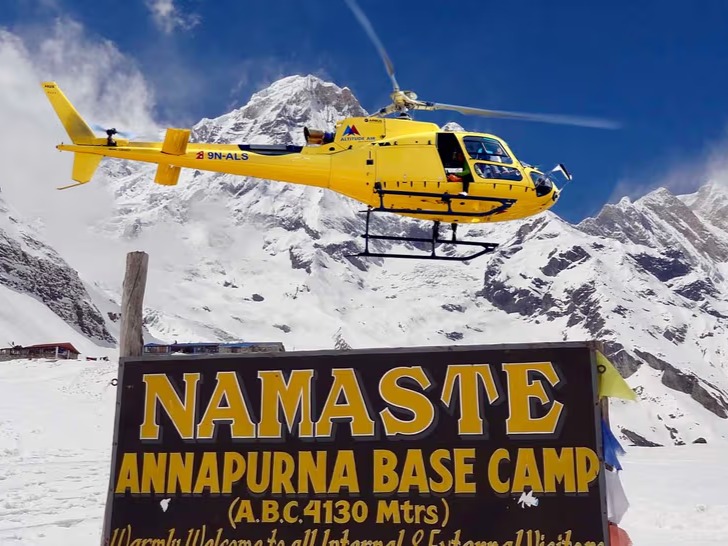
Other parts of Nepal that are outside the affected corridor can still be considered for travel, but weather and road conditions must be checked on the day of travel. Current trekking updates reported that major regions such as Annapurna and Everest were not directly affected, while access to some northern routes still needs route-by-route checking.
For a safer choice right now, travelers can consider destinations such as Kathmandu Valley, Pokhara and trekking areas outside the affected flood corridor, provided the current weather and access route are checked first. For trekking, use a registered trekking agency or local guide and confirm the trail and road status before departure.
The better question is not simply, “Is Nepal safe?” The better question is: “Is my destination and my route safe today?”
Avoid the disaster zone unless you have a genuine reason to be there and authorities confirm that access is safe. Keep your plans flexible. Check weather, road and flood information before every major journey.
For a normal holiday, consider destinations outside the affected corridor, such as Kathmandu Valley, Pokhara, Annapurna or Everest areas, after checking the latest route and weather updates. Do not assume that because a destination is far from Rasuwa, every road leading there is open.
Stay away from rivers, unstable slopes, damaged bridges and restricted areas. If officials issue a warning, move to a safer or higher place. Keep your phone charged and tell someone you trust where you are staying and where you are travelling.
Do not rush into affected communities without coordination. Damaged roads, unstable ground and possible secondary flooding can put both helpers and residents at risk. Coordinate with local government, Nepal Police, Nepal Army, Armed Police Force and established humanitarian organizations before entering the affected area.
For official disaster information and coordination, use the Ministry of Home Affairs, NDRRMA and local authorities rather than relying on unverified social-media requests.
Expect restricted access, changing routes and communication problems. Do not enter a restricted area only to reach a research site or reporting location. Follow local safety instructions first and confirm access with the relevant district or government authority.
If someone you know is missing, use official sources first and check them regularly:
Nepal is not completely closed. But the Rasuwa–Nuwakot–Trishuli disaster zone is still an active emergency area.
If you are travelling to an unaffected destination, your trip may still be possible. If your journey takes you through an affected river corridor, do not assume that a reopened road means the route is safe.
Before you leave, check three things: the weather, the road and the latest local warning. If any of them look unsafe, change your plan.
Nepal is still welcoming travelers. But right now, responsible travel matters more than ever.
Last updated: 29 August 2026. This is a developing disaster. Casualty figures, missing-person records, road conditions and safety warnings can change quickly. Always verify the latest official information before travelling.
Nepal Police — Missing/Unidentified Persons: https://udb.nepalpolice.gov.np/main
Nepal Police — Unidentified Bodies: https://udb.nepalpolice.gov.np/dead-bodies
Department of Hydrology and Meteorology: https://www.dhm.gov.np/
DHM Flood Monitoring: https://www.dhm.gov.np/hydrology/floodMonitoring
Ministry of Home Affairs: https://moha.gov.np/
Nepal Red Cross Society: https://nrcs.org/










© Copyright Gateway Adventure Treks and Expedition Pvt. Ltd., 2026 All Rights Reserved