Nepal is a land steeped in ancient traditions, rich cultural heritage, and vibrant religious practices. Among its most fascinating and unique customs is the tradition of the Living Goddess, or Kumari, an extraordinary institution that continues to captivate locals and visitors alike. Nestled in the heart of Kathmandu, the Kumari tradition represents a blend of spirituality, mythology, and history that has survived centuries of change.
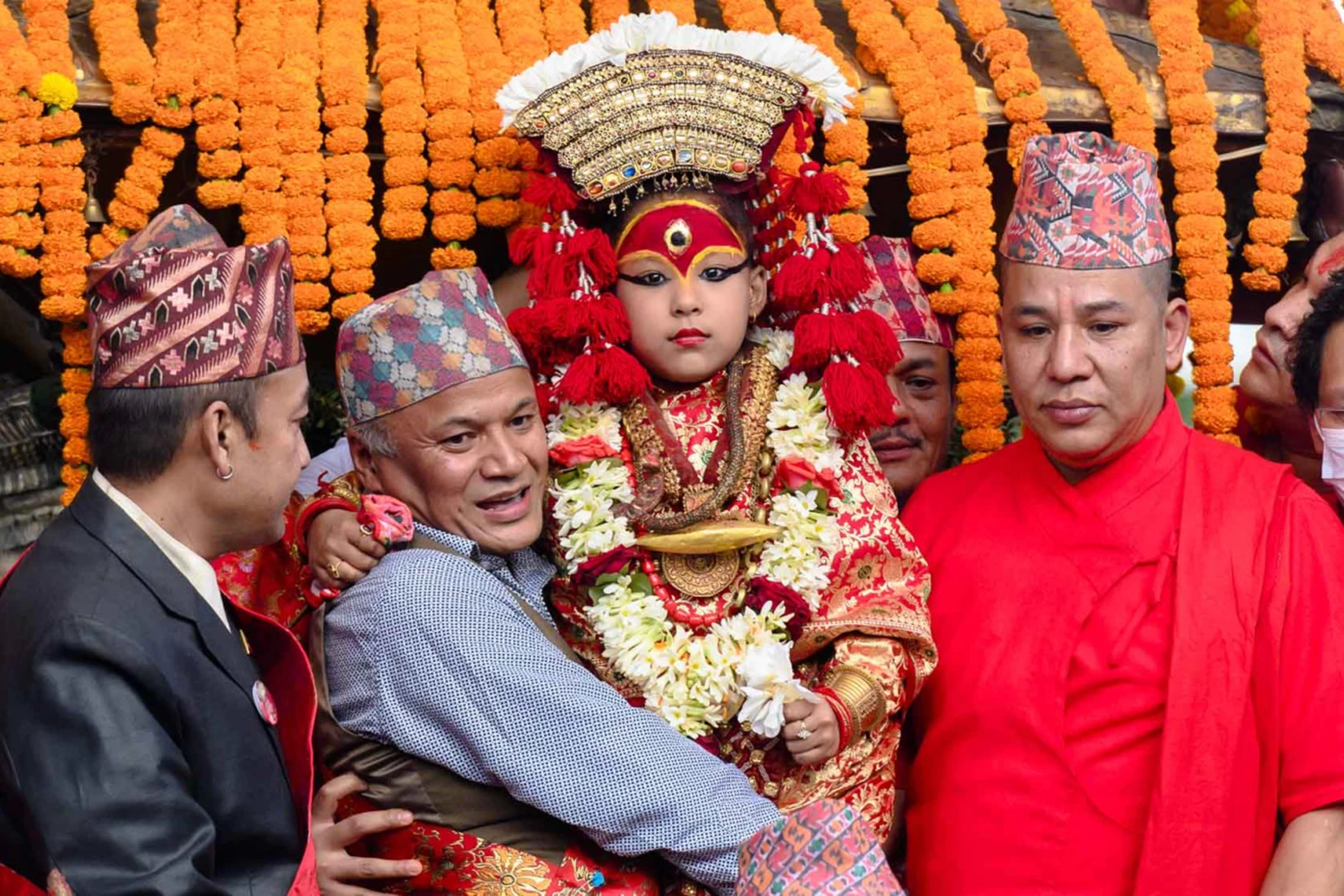
The Living Goddess Kumari is more than a religious icon; she embodies the rich tapestry of Nepal’s spiritual heritage, blending mythology, history, and community values. This tradition continues to thrive in the bustling city of Kathmandu, captivating the hearts of locals and travelers alike.
Understanding the Kumari tradition offers a unique window into Nepal’s cultural soul, a symbol of purity, divinity, and timeless reverence. Whether you visit Nepal for its majestic mountains or vibrant cities, encountering the Kumari tradition will leave a lasting impression of a culture that treasures its living gods.
In this comprehensive guide, we delve into the mystique of the Living Goddess of Nepal, exploring the origins, selection process, lifestyle, festivals, and the cultural significance of this revered figure. Whether you are a traveler planning to visit Kathmandu or someone curious about Nepalese culture, this article will offer a detailed insight into the world of the Kumari and why she holds such a special place in Nepal’s identity.
The tradition of the Kumari, literally meaning “virgin” or “young girl” in Sanskrit, is deeply embedded in the religious and cultural fabric of Nepal. The worship of a Living Goddess dates back over 500 years and blends Hinduism and Vajrayana Buddhism, reflecting Nepal’s syncretic spiritual landscape.
Historically, the practice is believed to have originated during the Malla dynasty, when kings sought divine protection and blessings from a living deity. The Kumari embodies the goddess Taleju, the patron deity of the Malla kings, and is considered a manifestation of the goddess Durga. According to legend, the goddess chose to reside in a human form, and hence the Kumari was consecrated to represent this living divine presence on earth.
This fusion of religion and monarchy helped establish the Kumari tradition as a cornerstone of Nepalese culture, symbolizing purity, protection, and prosperity.
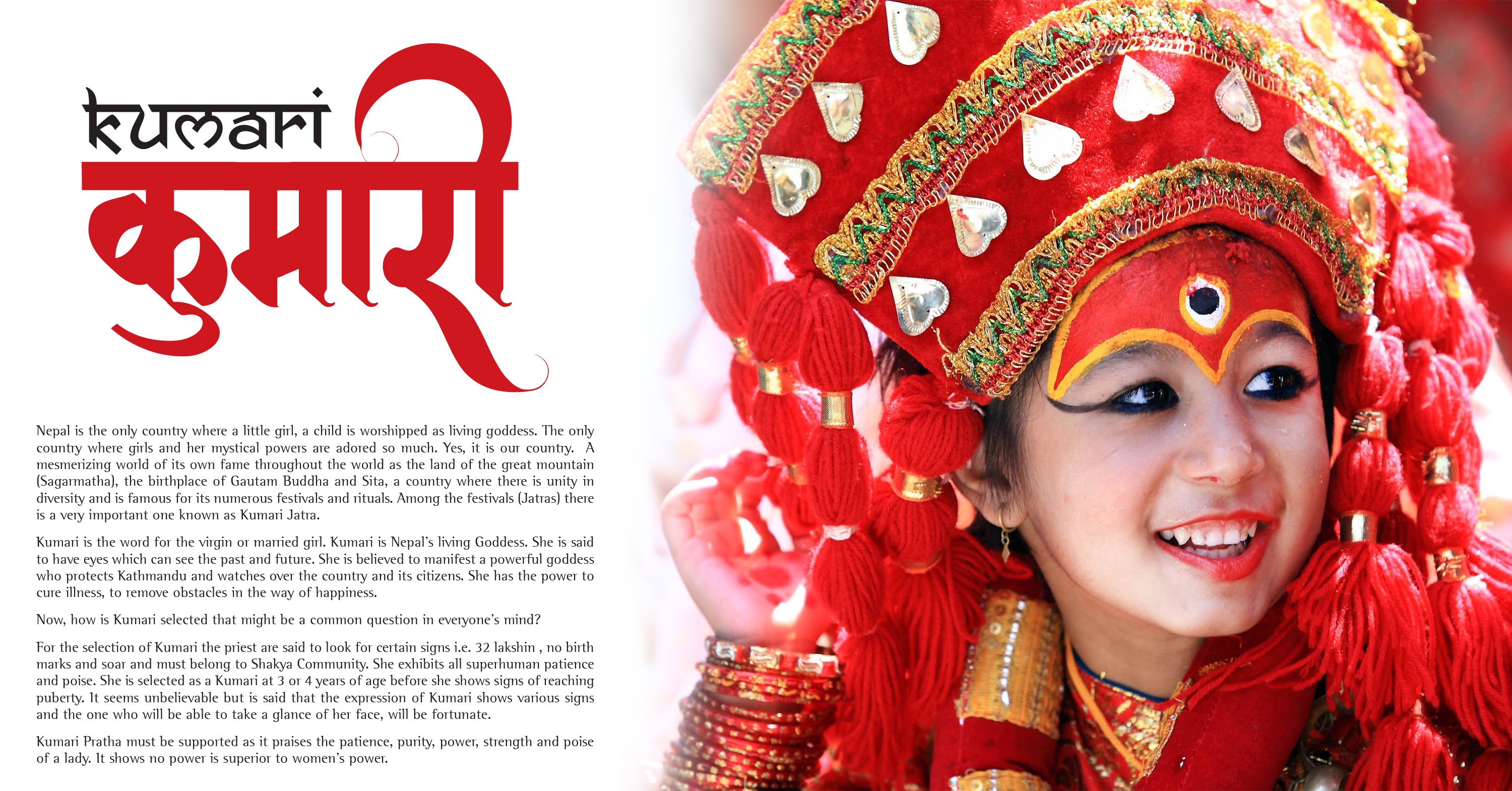
The Kumari is not just a symbol or an icon; she is revered as a living goddess, worshipped by devotees who believe she possesses divine powers. The Kumari is always a young pre-pubescent girl chosen from the Newar community, a prominent ethnic group native to the Kathmandu Valley.
She serves as an intermediary between gods and humans, believed to bestow blessings and safeguard the people from evil spirits. The Kumari’s face is painted with traditional rituals, including a distinctive red vermilion mark on her forehead called “Sindoor”, symbolizing her divine status.
The Living Goddess holds a unique place in Nepalese society, enjoying royal privileges and participating in major religious ceremonies. However, her role also comes with strict rules and lifestyle constraints, reflecting her sacred and untouchable status.
Selecting the Kumari is a meticulous and sacred process that involves stringent criteria and spiritual assessments. The candidate must meet specific physical, astrological, and psychological attributes to be deemed fit for this divine role.
Once selected, the Kumari is ceremoniously installed in the Kumari Ghar, the traditional residence in Kathmandu, marking the beginning of her reign as the Living Goddess.
The Kumari lives a life unlike any other child. Her days are filled with ritualistic prayers, meditations, and appearances during important religious ceremonies. Although she enjoys special privileges, she also lives under strict rules:
Despite these constraints, the Kumari is treated with immense respect and care, surrounded by priests and attendants who ensure her well-being and spiritual purity.
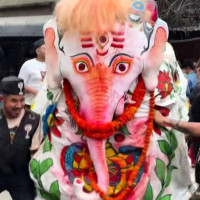
The Living Goddess plays a central role in several major Nepalese festivals, most notably Indra Jatra, a week-long celebration in Kathmandu honoring Lord Indra, the god of rain.
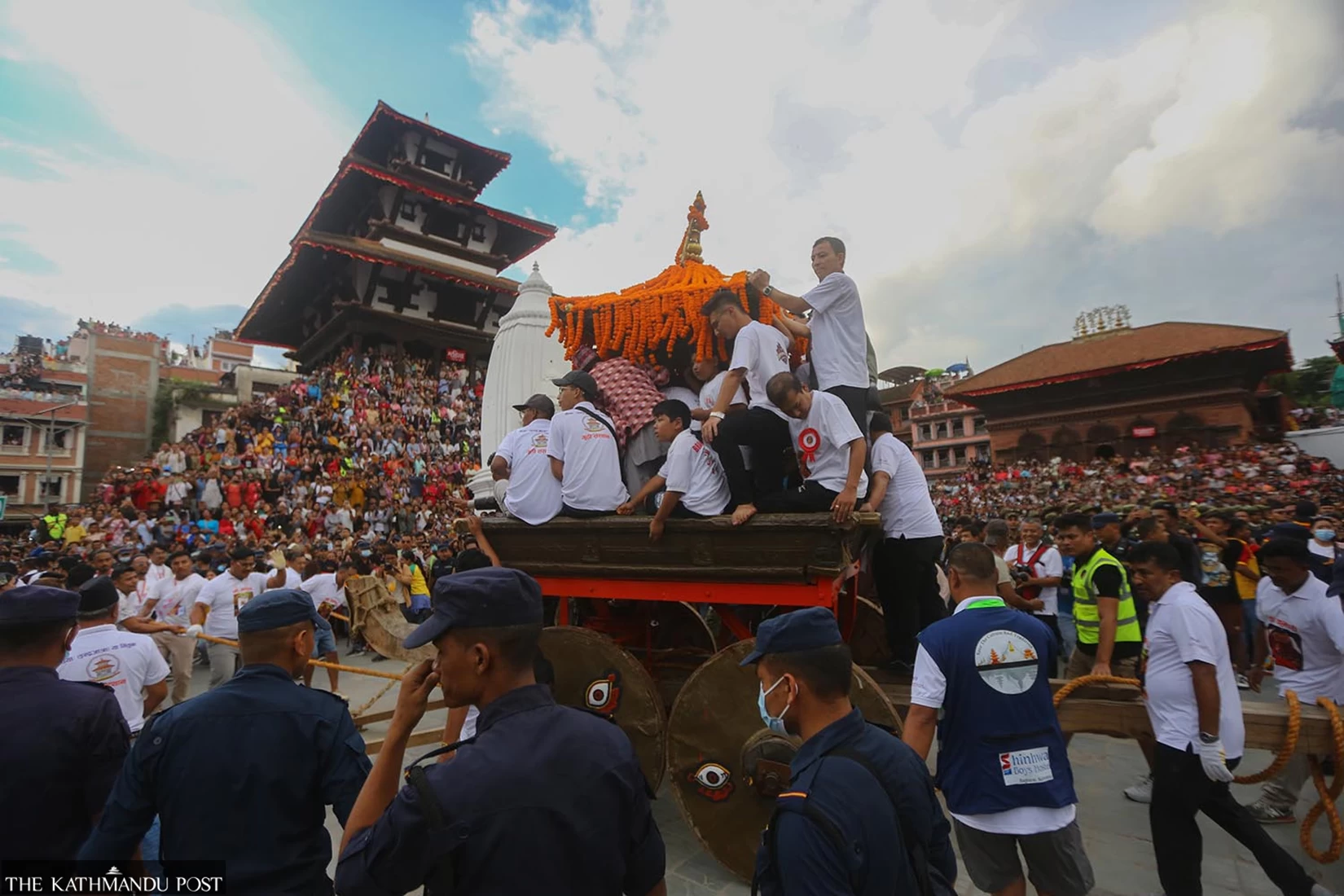
During this vibrant festival, the Kumari is carried in a palanquin around Kathmandu’s Durbar Square, blessing the crowds gathered below. Her public appearances are met with reverence, and devotees believe that receiving her blessings brings good luck and prosperity.
These events are crucial moments where the Kumari interacts with the community, reinforcing her role as a living deity and cultural icon.
Want to experience the mystical charm of the Kumari tradition firsthand? Let Gateway Adventure Treks and Expedition be your cultural guide through the hidden spiritual corners of Kathmandu. From exclusive walking tours of Kathmandu Durbar Square to curated festival experiences during Indra Jatra, we ensure you don’t just visit Nepal, you immerse yourself in its living heritage.
The Kumari resides in the Kumari Ghar, a centuries-old palace located in Kathmandu Durbar Square. This architectural marvel not only serves as her home but also as a symbol of Nepal’s rich cultural heritage.

The building showcases traditional Newari architecture with intricately carved wooden windows, courtyards, and vibrant murals depicting deities and mythical stories. Visitors can often catch glimpses of the Kumari through the windows during festival days, making the Kumari Ghar a popular spot for tourists and devotees.
The Kumari remains the Living Goddess until she reaches puberty, typically around age 12 or 13. When this happens, she retires from her role and returns to normal life.
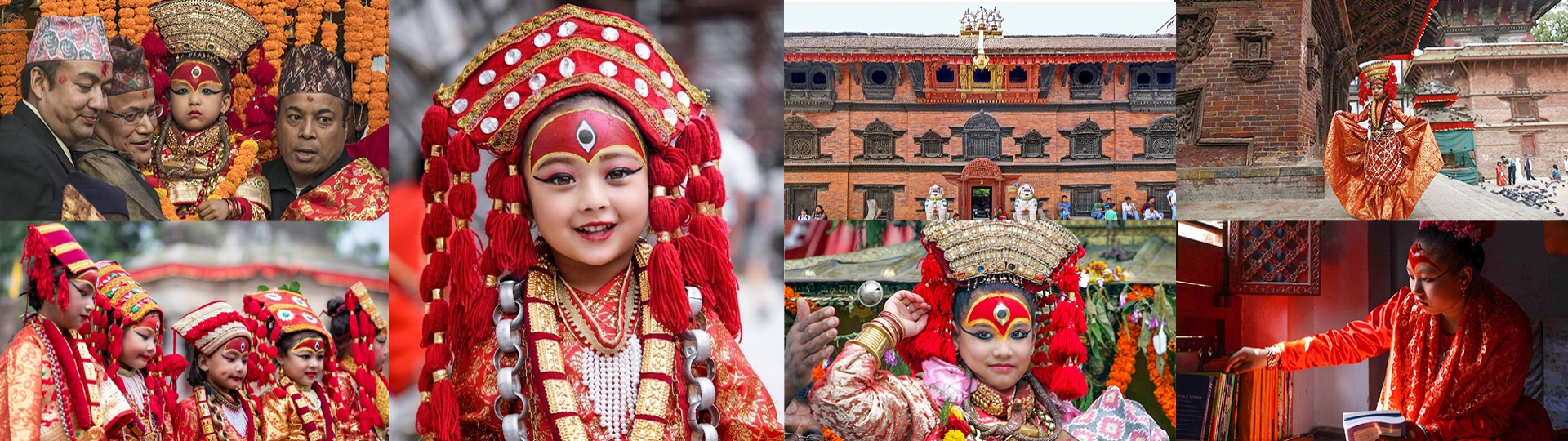
The retirement is marked by a ritual where the goddess is believed to leave her human form, and a new Kumari is selected. The former Kumari then resumes regular life, though her experience is unique and often challenging due to the sudden shift from divine status to normalcy.
Some retired Kumaris become cultural ambassadors or take part in promoting Nepalese heritage.
While the Kumari tradition is a revered cultural practice, it has also faced scrutiny in modern times. Concerns have been raised about the psychological and physical impact on young girls who live isolated lives, separated from normal childhood experiences.
Child rights activists question whether the Kumari’s lifestyle adheres to modern human rights standards. However, supporters argue that the tradition is an integral part of Nepalese identity and spirituality, deserving preservation with proper reforms.
Efforts are underway to balance respect for cultural heritage with the welfare of the Kumaris, including improved education and healthcare provisions.
The Kumari tradition is a significant attraction for tourists visiting Kathmandu. Visitors flock to Kathmandu Durbar Square hoping to witness the Living Goddess during festivals or catch a glimpse through the windows of Kumari Ghar.
For travelers interested in Nepalese culture, learning about the Kumari tradition offers deep insight into the spiritual and historical essence of Kathmandu. Responsible tourism is encouraged, emphasizing respect and understanding of the sacred nature of the Kumari.







© Copyright Gateway Adventure Treks and Expedition Pvt. Ltd., 2026 All Rights Reserved